
Shapes, Lamingtons, and Lunchboxes: Aussie Snacks Every Student Grew Up With
 There’s something about opening an old school lunchbox that takes you straight back to childhood. The sticky plastic lid, the slightly squashed sandwich, and most importantly, the treats packed with love (or last-minute panic). For many Aussie kids, school lunches weren’t just fuel for the day. They were a ritual, a status symbol, and sometimes a low-key trading economy in the playground. And at the heart of it all were the iconic snacks we still remember today: Shapes, lamingtons, Roll-Ups, and a few questionable choices that somehow became legends—true classic treats from Oz.
Shapes: The Crunch That United a Nation
Arnott’s Shapes have been a staple in Aussie lunchboxes since the 1950s. Whether it was Pizza, BBQ, or Chicken crispy, everyone had their favourite. They came in those crinkly foil packets, promising a mess of crumbs and flavour dust that would cling to your fingers for the rest of the day.
Shapes were more than a snack. They were a social tool. You could swap flavours, debate the best one (Pizza usually won), or crunch loudly to signal lunchtime superiority. If someone had the big box version, they were instantly elevated to royalty. And when Arnott’s briefly changed the recipe in 2016, the national outrage proved just how deep the love ran.
Lamingtons: The Sweet, Squishy Classic
There’s no snack more Australian than the lamington. A soft sponge square, dipped in chocolate and rolled in coconut, sometimes with a layer of jam or cream in the middle. It was the highlight of many school canteens, bake sales, and lunchboxes. It was also incredibly messy, especially in the summer heat, when the chocolate coating would start to melt into sticky fingers and faces.
For kids with parents who baked, homemade lamingtons were a lunchbox flex. But even the supermarket ones, slightly stale and overly sweet, had their charm. They were the kind of snack you could trade up for. Maybe even score a packet of Tiny Teddies in return if you played your cards right.
The Roll-Up Revolution
Few snacks captured the imagination of 90s and early 2000s Aussie kids like the Roll-Up. Thin, sticky, and brightly coloured, Roll-Ups were more art project than food. You’d unroll them carefully, stretch them out, and maybe stick one to your face for a laugh. Some kids even made Roll-Up sandwiches by folding them over to double the sugar hit.
Parents hated them, teachers groaned at the mess, but kids couldn’t get enough. They felt like forbidden fruit. Pure sugar, wrapped in plastic, pretending to be fruit. And somehow, they passed for lunchbox-acceptable in households across the country.
Tiny Teddies, Le Snak, and the Rise of Packaged Snacks
As the 90s rolled on, the Aussie lunchbox began to fill with more and more packaged snacks. Tiny Teddies — those miniature biscuits shaped like bears — were a huge hit. Sweet or savoury, they were cute, crunchy, and perfect for nibbling one by one and or tipping the whole bag into your mouth when the bell rang.
Le Snak was the cheese dip and cracker combo that made you feel sophisticated at age eight. Never mind that the cheese was a little too shiny. It came with its own plastic spreader, which made it seem more fancy.
And of course, there were the muesli bars. Uncle Tobys and LCMs (the latter barely qualifying as cereal) gave the illusion of health while still being basically dessert. They stuck to the roof of your mouth and sometimes to your homework, but they were part of the daily line-up.
The Playground Snack Economy
Snacks weren’t just for eating. They were currency. Kids became savvy traders. A full-sized chocolate bar could get you a packet of chips and a Zooper Dooper. A rare flavour of Shapes might be worth two Roll-Ups. Lamingtons were gold at recess, especially if they were still slightly chilled from the fridge.
Lunchbox envy was real—the kid with the Nutella snack pack or the brand-name biscuits held power. And if your parents packed carrot sticks or something “healthy,” your best bet was to negotiate hard or hope for pity.
Still in the Mix
Today’s school lunchboxes have changed. More allergies, less sugar, and a lot more labels about what’s nut-free or low GI. But some of the old favourites still show up. Shapes are still going strong. Lamingtons make appearances during fundraising drives and at morning teas. Roll-Ups might have lost their luster, but their memory lives on.
For many Australians, these snacks are more than just food. They’re little time capsules. Open a packet of Shapes today, and you’re not just having a snack. You’re remembering sitting cross-legged in the sun, tearing open a wrapper with grubby fingers, and trading bites with your best mate.
Ultimately, it’s not really about the snacks themselves. It’s about the stories they carry: the friendships, the freedom of recess, the thrill of swapping something boring for something better. Aussie lunchbox culture was messy, nostalgic, and sweet in every sense of the word.
 One of the key aspects that often gets overlooked in schools is waste management. Whether it’s upgrading old classrooms, building a new sports hall, or just improving the school’s infrastructure, managing construction waste efficiently is crucial for maintaining a clean, safe, and environmentally friendly site. This is where Skips glasgow come in, offering a practical solution for schools undertaking renovation or building projects.

 Religious organizations have played a vital role in the development and advancement of education globally. They have provided moral, financial, and educational support to schools and universities, shaping the educational landscape in many countries. In this article, we will examine the positive impact of religious organizations on education, highlighting their contributions to curricula, teaching methods, and the broader educational system.
  A roof is the first thing people see when they enter a home. It’s what makes it look good and feel safe. It protects us from the elements and can sometimes be our saving grace if we live in is prone to natural disasters like flooding or storms area.
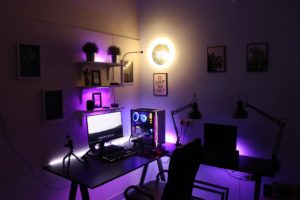 Today, kids and adults can socialize with each other, in groups large and tiny, while playing games online. During the pandemic, internet connection stands out. “It’s all about the social interaction,” according to Isabela Granic, professor of developmental psychopathology, in the Netherlands. “You build your gardens with others. And it’s checking lots of these social needs during this time of isolation. And the maximum amount as kids need us; they have one another even as much.”




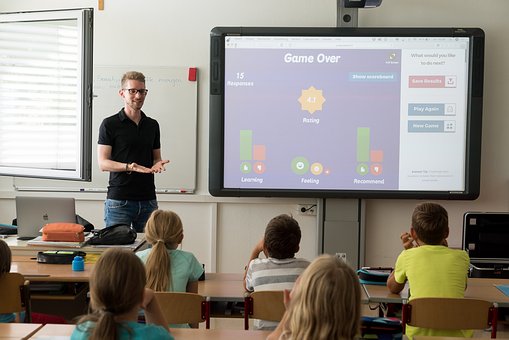
 the teachers whо work wіth these types of kids does.
 With all these advantages on opting for wood decking, it does not degrade on the budget and maintenance aspect. Composite decking has such low need of maintenance since it is a combination of plastic and wood, and is made to be more weatherproof than plain wood decking, that makes it last longer and is seen to resist fast deterioration. Also, improved composite decking is made to be stain and fade resistant which most homeowners are after considering that they want something nice to last long inside the own premise of their houses. Maintenance of the said composite decking is very minimal in nature, a quick wipe and wood foam spray will make it shine and sparkle like brand new, and will not fade the color of the original deck. Although with this, since composite decking has wood particles in it, it can be susceptible to mold growth over time, therefore homeowners should at least invest on wood foam sprays that protects the wood from too much moisture causing rapid mold growth. Cleaning it on a monthly basis will definitely add up to its naturally good quality, and will prove why composite decking is fast emerging in the architectural slate of the economy.
 Committing events that are against the law is a crime, whether it is big or small, consequences shall still be applied. In some instances, people involved may find a way to settle certain events that would help them be released from imprisonment, while others may not due to personal reasons such as financial problems. In any case, you are one of them, try to do some research.