
From Ginseng Baths to Mugwort Steaming: Herbal Therapies in Korean Spas Explained
Locals and tourists have been captivated by the traditional herbal health practices found in Korean spas. These spas often feature steaming rooms where baths are infused with healing herbs, aromatic oils, and natural scents that stimulate the body’s recovery process. This soothing approach blends science and nature in a way that has supported wellness for over a hundred years.
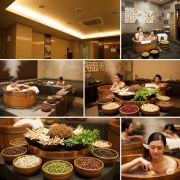 For those looking to experience these time-honored Korean wellness traditions firsthand, platforms like OPCMD serve as a trusted guide. OPCMD helps users explore a wide range of wellness venues across South Korea, including jjimjilbangs, herbal spas, and office therapy centers, commonly referred to as Opi (오피) in Korean.
If you’re specifically searching for wellness spots in Daegu, Daebam is a platform that highlights Opi venues throughout the Daegu area. Whether you’re seeking a ginseng-infused soak, a mugwort steam treatment, or a cedarwood sauna, OPCMD makes it easier to find authentic and highly rated locations in cities like Daegu, Seoul, and beyond. It’s a valuable resource for anyone eager to explore Korea’s unique harmony of tradition, healing, and relaxation.
The Cultural Origins of Jjimjilbang Herbal Remedies
Each zone of Korean bathhouses, or jjimjilbangs, is designed to focus on a different herb and its health benefits:
- Improves energy and blood flow with Ginseng (Insam)
- Mugwort, or Ssuk, is a skin rejuvenator and detoxifier.
Ginseng Baths: Improved Blood Flow and Energy
A ginseng foot soak or bath has a dual purpose:
- Thermotherapy: Increases circulation
- Effects on the Botany: Ginsenosides make you feel less tired by increasing blood flow.
A Skin-Soothing Detox with Mugwort Steam
Muggwort treatment, which is administered through steam rooms or herbal compresses, provides purification and relief from inflammation.
- A soothing scent that encourages emotional equilibrium
- Loathed for its ability to promote mental and physical rejuvenation, this mild therapy nourishes the skin.
Lung and Mind Clarity in Cedar and Cypress Chambers
Aromatherapy saunas perfumed with cypress or cedar wood bring:
- Breathing easier: All-natural essential oils help with that.
- Peaceful setting: Promotes emotional and mental calm
Exposure regularly helps with allergy problems, anxiety, and concentration.
Baths with Bamboo Charcoal: A Deep Pore Cleanse
One of the most desirable properties of bamboo charcoal is its capacity to:
- Remove dead skin cells and excess oil from the skin
- Purify the skin
- Reduce the appearance of acne
When taken on occasion, these baths help the skin’s cleansing mechanisms work better.
Research Validating Time-Held Beliefs
These time-honored remedies have been backed by recent scientific evidence:
- Benefits to circulation and muscular healing have been demonstrated by ginseng baths.
- Mugwort has a relaxing influence on the skin and can reduce inflammation.
- Saunas made of cedar and cypress are good for your respiratory health and stress levels.
- When applied to the skin, bamboo charcoal is a powerful detoxifier.
You may also expand your knowledge of culture by reading the article “Teaching About Cultural Diversity Through Chinese Clothing.” It provides another case study of cultural wellness education by demonstrating how items from different cultures can teach and inspire students on an individual level.
Last Remarks
Korean spas are rich in cultural principles mixed with innovation. However, Korean spas are still employing plant treatments including the use of ginseng infused in baths, mugwort steams, cedar in chambers, and detoxification through bamboo. Korean wellness is globally in demand these days. Through their traditions, we learn a lot about health and well-being that relies on botanical resources. These are helpful primarily for teaching and therapy.