
So you’re attending to book commercial painters and wondering a way to brace yourself for their arrival. The primary thing to ask yourself is: what proportion can your internal facilities team make sure of themselves? And what are the painters expecting to try to do once they arrive?
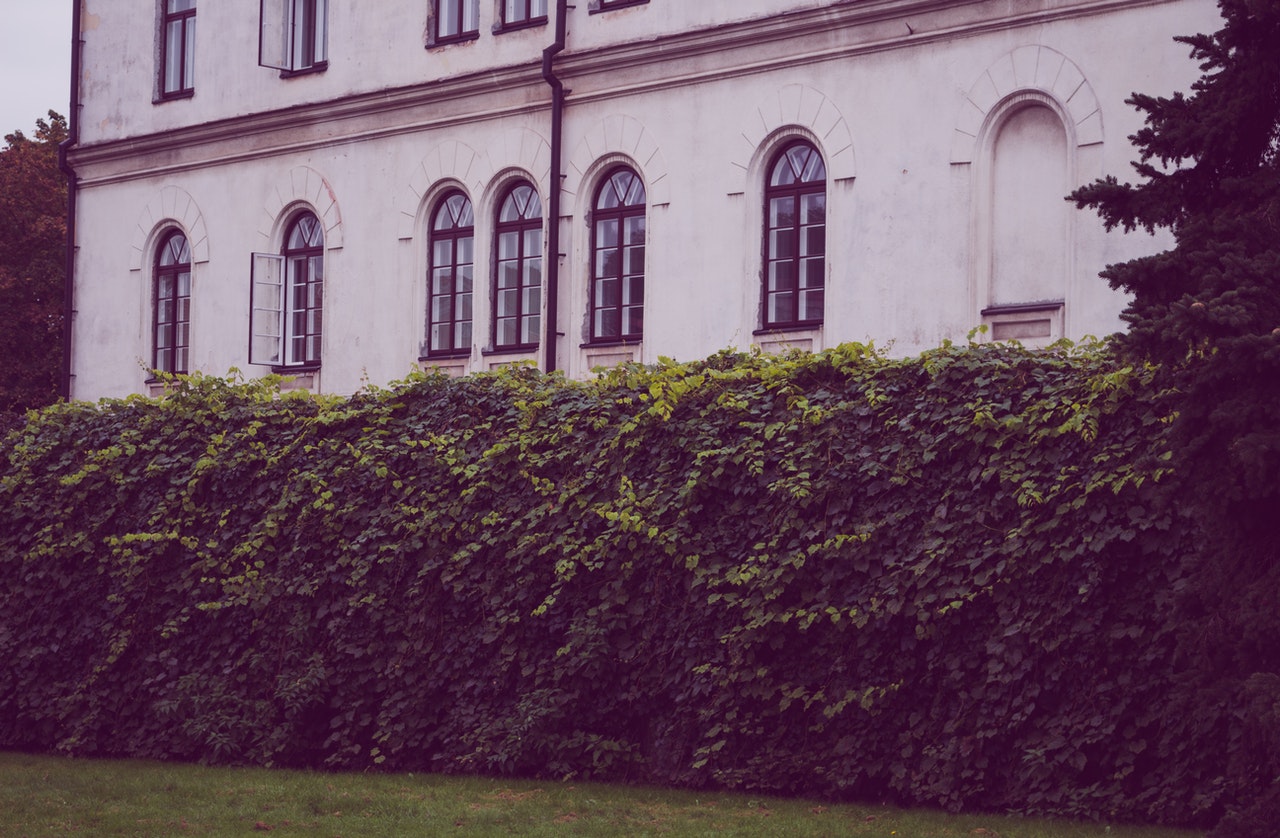
When it involves school painting, it can seem that cutting corners to chop costs might result in savings within the school budget.
1. Use quality paints on your school’s surfaces
Cheaper grades of paint (sometimes referred to as ‘contractor’s grade’) will often bleed through after a brief period and won’t rise to the traditional wear and tear seen in a very school. This usually ends up in scratching, peeling, and scuffing, all of which contribute to a dilapidated look. Spending a touch more on higher-quality paint will mean less maintenance in the future.
A lower grade of paint can also require more coats, meaning more paint is getting used to attain the mandatory coverage and opacity, costing the varsity budget more. Not only is excess paint needed, but more coats also means the paint job will take longer because the painting contractor goes over the identical surface multiple (unnecessary) times.
High-quality paints generally have a quicker drying time, meaning your painting contractor can finish the work in a shorter amount of your time. A fast dry time will save the varsity money by scaling down on labor costs also ensuring the varsity painting is completed within holiday breaks or on weekends.
2. Avoid dark colors
To cut to the chase, lighter paint colors will always outperform the darker shades even within the same paint product, within the same environment, and at identical levels of exposure to wear and tear.
Generally, a darker color will fade, or perhaps change the color entirely, more quickly when exposed to the weather (e.g. the weather, human touch, cleaning, etc.). A deeper hue also will soak within the sun’s rays and warm-up which may have adverse effects on the underlying material.
Aside from dubious durability, darker paints often require multiple applications to realize the specified levels of opacity or need an undercoat, all adding dollars to the underside line.
If possible, choose lighter colors to extend the paint lifespan and only use deep hues to accent or where protected against the weather.
ALSO READ: What You Can Do To Give the Best Education to Your Kids
3. Deter graffiti in class and clean it up quickly
It’s always better to discourage students from placing graffiti in the first place, so try to:
- Make graffiti hotspots less appealing to vandals – Evaluate your school’s hotspots, and consider what steps are often taken to form applying graffiti tougher.
- Encourage pride within the school environment – Students who are pleased with their school are less likely to create it look bad. A way of ownership of the space can help with instilling pride.
- Start an urban art project at your school – Urban art, like student-painted murals, is a positive thanks to preventing graffiti in schools.
The existence of graffiti tends to push more graffiti, which is why it’s essential to stay spaces well-maintained to inspire students to treat them respectfully. A section that appears neglected will often provoke further abuse.
4. Hire top-notch school painting professionals
A regular painting maintenance plan will keep your school buildings both wealthy, moreover as providing them with the primary barrier of defense against wear and tear. Searching “painters near me” in Google and hiring the proper people to try to do the work will make sure the longevity of your paintwork, reducing costs and mitigating future damage.
Product knowledge and transparent communication are both signs of a decent contractor. Rummage around for a contractor who recommends high-quality paints and prioritizes durability over speed. Additionally, hire knowledgeable who are educated on all of the various aspects of the painting project. This includes the preparation of surfaces to get rid of, dirt, mold, or old flaking paint.
Your painting contractor should even be tuned in to the simplest and most appropriate paints to use for various areas.
Regular planned maintenance of your school’s paintwork is cheaper than fixing things on an ad-hoc basis. By undertaking preventative painting maintenance, you’ll be able to minimize natural deterioration and eliminate more costly repairs of the school’s buildings. Planning your maintenance will mean your costs are opened up over an extended period, not lumped together in one large sum.