
Comparing Self-Study and Structured Learning Approaches for French Language Certification
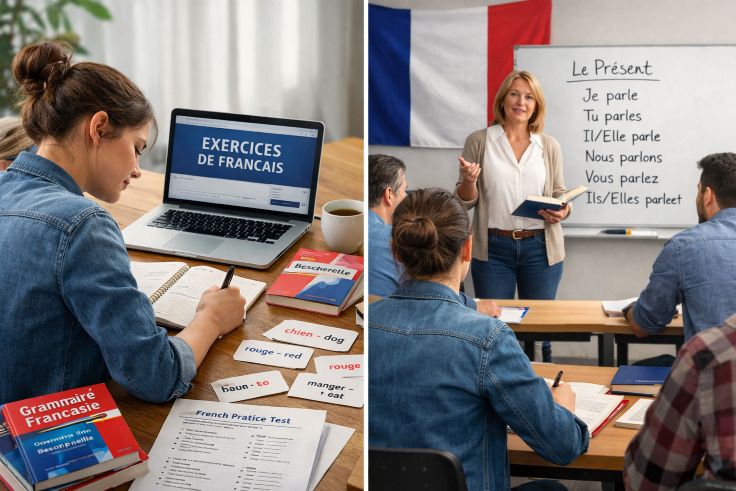
French remains one of the most widely studied languages in the world, with the Organisation internationale de la Francophonie (OIF) reporting that more than 320 million people speak French across five continents. Growing demand for international education, employment opportunities, and immigration pathways has increased interest in French-language certification. Many learners preparing for assessments such as the TCF test face an important decision: should they study independently or enroll in a structured learning program? Each approach offers distinct advantages and challenges, and the most suitable option often depends on a learner’s goals, schedule, budget, and preferred learning style.
Growing Importance of French Language Certification
French-language certifications are widely used by educational institutions, employers, and immigration authorities to assess language proficiency. Tests such as the Test de Connaissance du Français (TCF), Diplôme d’Études en Langue Française (DELF), and Diplôme Approfondi de Langue Française (DALF) evaluate listening, reading, speaking, and writing skills through standardized assessment methods.
Data published by France Éducation International, the organization responsible for administering the TCF, indicates that thousands of candidates worldwide take French proficiency examinations each year for academic, professional, and migration-related purposes. As interest grows, learners increasingly seek effective preparation strategies that align with their personal circumstances.
The Case for Self-Study
Self-study remains a popular option because of its flexibility and accessibility. Digital learning platforms, mobile applications, online videos, podcasts, and practice materials have made language learning more accessible than ever before.
Advantages of Self-Study
- Flexible scheduling: Learners can study at times that fit their personal and professional commitments.
- Lower costs: Many resources are free or significantly less expensive than formal courses.
- Personalized pacing: Students can spend more time on challenging topics and move quickly through familiar material.
- Wide range of resources: Online platforms offer diverse learning materials tailored to different proficiency levels.
Research published by The Open University highlights that independent learners often benefit from greater autonomy and self-directed learning skills. These abilities can contribute positively to long-term language development when learners remain consistent and motivated.
Self-study can also encourage learners to develop practical habits such as reading French news articles, listening to French-language podcasts, watching films, and engaging with authentic content. These activities help improve comprehension while exposing learners to real-world language use.
Limitations of Self-Study
Despite its advantages, self-study presents several challenges. Maintaining motivation over an extended period can be difficult without external accountability. Learners may also struggle to identify weaknesses in their speaking or writing skills.
Experts from Cambridge University Press & Assessment note that language learners often benefit from corrective feedback, particularly in productive skills such as writing and speaking. Independent learners may have limited opportunities to receive such feedback unless they actively seek language exchange partners or online tutors.
Another concern involves exam preparation. Candidates who focus only on vocabulary or grammar may overlook specific test formats, timing requirements, and scoring criteria used in certification exams.
The Case for Structured Learning Programs
Structured learning programs typically involve instructor-led classes, organized curricula, scheduled assessments, and guided preparation activities. These programs may be offered through language schools, universities, online academies, or private tutoring services.
Advantages of Structured Learning
- Expert guidance: Qualified instructors provide explanations, corrections, and personalized feedback.
- Consistent progress: Scheduled lessons help learners maintain regular study habits.
- Exam-focused preparation: Programs often include practice exercises designed around certification requirements.
- Interactive learning: Students gain opportunities to practice speaking and listening with instructors and classmates.
Research from UNESCO Institute for Lifelong Learning suggests that guided educational environments can support learner persistence by creating structured goals and measurable progress. This framework may be particularly helpful for individuals preparing for high-stakes language examinations.
Structured programs also help learners become familiar with assessment formats. Mock examinations, timed exercises, and instructor feedback can reduce uncertainty before the actual exam.
Limitations of Structured Learning
While structured programs provide many benefits, they are not ideal for everyone. Tuition fees, course schedules, and geographic limitations can create barriers for some learners.
Students with demanding work schedules may find fixed class times difficult to manage. Others may prefer learning at their own pace rather than following a predetermined curriculum.
Additionally, not every structured course delivers the same quality of instruction. Program effectiveness often depends on instructor expertise, curriculum design, and the learner’s level of engagement.
Comparing Learning Outcomes
The debate between self-study and structured learning does not produce a universal winner. Success depends on how effectively a learner uses the chosen method.
Independent learners who establish clear goals, maintain disciplined routines, and regularly assess their progress can achieve strong outcomes. At the same time, learners who need accountability, feedback, and guided instruction may benefit more from structured programs.
Studies reviewed by The British Council indicate that successful language acquisition typically combines multiple forms of exposure, including reading, listening, speaking, and writing practice. Whether learning independently or through formal instruction, balanced skill development remains essential.
Common Strategies for Preparing for French Certification Exams
Regardless of the learning path selected, candidates preparing for French proficiency assessments often use similar preparation techniques.
Practice With Authentic Materials
French newspapers, radio broadcasts, podcasts, and television programs expose learners to natural vocabulary, pronunciation, and cultural context.
Develop Listening Skills
Listening comprehension plays a significant role in many language assessments. Regular exposure to spoken French helps learners become familiar with different accents and speaking speeds.
Expand Vocabulary Systematically
Many successful candidates use vocabulary notebooks, flashcards, or spaced repetition systems to strengthen retention and recall.
Practice Timed Exercises
Certification exams often include strict time limits. Completing practice tasks under realistic conditions can improve confidence and time management.
Seek Feedback
Whether through instructors, tutors, language exchange partners, or peer review groups, constructive feedback helps learners identify areas that need improvement.
Choosing the Right Learning Path
Selecting between self-study and structured learning requires careful consideration of several factors. Budget, available time, learning preferences, prior language experience, and certification goals all influence the decision.
Self-study may be appropriate for highly motivated learners who enjoy independent learning and have strong organizational skills. Structured programs may be better suited to individuals who value expert guidance, scheduled lessons, and regular feedback.
Many learners ultimately combine both approaches. They attend classes or work with instructors while supplementing their preparation through independent reading, listening practice, and exam simulations. This blended approach often provides flexibility while preserving the benefits of professional guidance. Educational experts frequently emphasize the importance of effective communication skills in education, particularly when learners receive feedback, participate in discussions, and engage with instructors throughout the language-learning process.
Conclusion
French-language certification continues to attract learners pursuing academic opportunities, career advancement, and international mobility. The choice between self-study and structured learning is not simply a matter of convenience. Each method offers strengths that can support language development when applied effectively.
Self-study provides flexibility, affordability, and learner autonomy, while structured programs offer guidance, accountability, and targeted exam preparation. The most effective path depends on individual circumstances and learning preferences. By evaluating personal goals, available resources, and preferred study habits, learners can choose a preparation strategy that supports both language growth and success in future French proficiency assessments.