Exploring Nuru Massage: Origins, Techniques, and Benefits

nuru bathhouseNuru massage began in Japan centuries ago. This unique bodywork practice, rooted in ancient wellness traditions, has evolved into a modern spa therapy celebrated for its relaxing and intimate qualities. Unlike typical massages, Nuru uses a special gel derived from seaweed, creating a slippery, skin-to-skin experience. Today, it’s a popular offering in places like Thailand, where spa culture thrives. Let’s dive into its history, techniques, and the benefits that draw wellness enthusiasts to this practice.
The term “Nuru” means “slippery” in Japanese, perfectly describing the massage’s hallmark. Originating in Kawasaki, Japan, during the 1970s, it emerged as a modern twist on traditional bathhouse rituals. Spas in Thailand have since embraced it, blending Japanese techniques with local hospitality. For those curious about experiencing it, the best soapy massage in Bangkok often incorporates Nuru’s signature glide, offering a luxurious escape. This massage isn’t just about relaxation; it’s a cultural bridge, connecting Japan’s heritage with global wellness trends.

A Glimpse into Nuru’s Cultural Roots

Nuru massage draws from Japan’s long history of communal bathing. Bathhouses, or “onsen,” were places for cleansing and bonding. Nuru took this concept further, emphasizing close physical connection. The practice was initially exclusive, offered in select venues catering to those seeking a deeply sensory experience. Over time, it spread beyond Japan, finding a home in Thailand’s vibrant spa scene. Thai therapists adapted Nuru, infusing it with their expertise in touch and relaxation, making it a global sensation.

How Nuru Massage Works

Curious about the process? Nuru massage starts with a warm shower to relax the body. The therapist then applies Nuru gel, a slick, odorless substance made from nori seaweed. This gel allows smooth, gliding movements, creating a sensation unlike any other massage. The therapist uses their entire body, not just hands, to apply gentle pressure. This skin-to-skin contact is key, fostering a sense of trust and calm. Sessions often take place on a waterproof surface to enhance the slippery effect, ensuring every movement feels fluid.

Techniques That Set Nuru Apart

Unlike Swedish or deep-tissue massages, Nuru prioritizes flow over force. The therapist’s movements are rhythmic, almost dance-like, as they glide across the client’s body. Techniques vary, but most focus on full-body contact to maximize relaxation. The gel’s texture reduces friction, allowing seamless transitions between strokes. Some sessions incorporate light stretching or breathing exercises, blending mindfulness with physical relief. This combination makes Nuru a holistic experience, engaging both body and mind.

Physiological and Emotional Benefits

Why choose Nuru? The benefits go beyond relaxation. Physiologically, the massage boosts circulation, easing muscle tension and promoting detoxification. The gel’s hydrating properties nourish the skin, leaving it soft and refreshed. Emotionally, Nuru fosters a sense of connection. The intimate nature of the massage releases oxytocin, the “feel-good” hormone, reducing stress and enhancing mood. For many, it’s a safe space to unwind, offering mental clarity and emotional balance. Regular sessions may even improve sleep quality, a plus for busy lives. Explore also the benefits of Aroma Massage.


Debunking Common Misconceptions

Nuru massage often faces misunderstanding. Some assume it’s purely sensual, but that’s only part of the story. While intimacy is a component, professional Nuru focuses on therapeutic benefits, not just physical allure. Another myth is that it’s unsafe or unhygienic. In reputable spas, strict hygiene standards ensure safety, with therapists trained to maintain a clean environment. Finally, many think Nuru is only for certain audiences. In truth, it’s for anyone seeking relaxation, provided they’re comfortable with close contact. Always choose licensed spas to ensure a professional experience.

Ready to try it? Thailand’s spa scene is a great place to start. You can find a top-notch soapy massage here, where skilled therapists deliver authentic Nuru experiences. Researching reputable venues ensures you enjoy the full benefits of this unique therapy.

Conclusion

Nuru massage is more than a spa treatment; it’s a journey into relaxation and connection. From its Japanese roots to its modern practice in Thailand, it offers a blend of cultural heritage and wellness innovation. Whether you’re a student, therapist, or curious explorer, Nuru provides a unique way to unwind. Its techniques, benefits, and misconceptions reveal a practice that’s both ancient and evolving. Next time you’re seeking a transformative spa experience, consider Nuru for its soothing, holistic touch.

Revolutionizing Medical Curriculum: Why Spanish is Becoming Essential for Healthcare Students

medical Spanish textbookHealthcare education is changing fast. Spanish is now a key part of medical and nursing school programs. Why? The U.S. population is more diverse than ever. Over 40 million people speak Spanish as their primary language. For future doctors and nurses, speaking Spanish isn’t just a plus—it’s a necessity. Universities and nursing schools are responding by weaving medical Spanish into their core curricula. This shift ensures students can connect with patients, build trust, and provide better care.

But how do students master this skill? Many turn to specialized programs like those offered by Common Ground International. Their crash courses and certifications teach students how to learn medical Spanish effectively. These programs focus on practical, medical-specific vocabulary. Students learn to discuss symptoms, explain treatments, and navigate sensitive conversations. The result? Confident healthcare providers who can communicate with Spanish-speaking patients without hesitation.

Why Spanish Matters in Healthcare

The need for Spanish in healthcare is clear. Hispanic patients often face language barriers. These barriers can lead to misdiagnoses, poor treatment adherence, or mistrust. Imagine a patient unable to explain their pain. Or a doctor struggling to describe a procedure. These gaps harm care quality. Studies show that language-concordant care—when providers and patients share a language—improves outcomes. Patients feel heard. They follow treatment plans better. They return for follow-ups more often.

Moreover, the Hispanic population is growing. By 2050, one in three U.S. residents may be Hispanic. Healthcare systems must adapt. Schools like the University of Texas and UCLA now require medical Spanish for some programs. Nursing schools, too, are adding Spanish to their training. This trend isn’t just about meeting quotas. It’s about preparing students for real-world challenges. Without Spanish, future providers risk being out of touch with a huge portion of their patients.

How Schools Are Adapting

Universities are getting creative. Some offer elective Spanish courses tailored to healthcare. Others embed Spanish in clinical rotations. For example, students might practice taking patient histories in Spanish during simulations. These hands-on experiences build confidence. Yet, not all schools have the resources for full programs. That’s where external courses come in. Common Ground International fills this gap. Their intensive workshops teach medical terminology, cultural nuances, and patient communication. Students can earn certifications that boost their resumes. For more on such curriculum innovations, see BRAC University’s Academics Dept Course, which offers similar program integration.

Interestingly, these programs aren’t just for fluent Spanish speakers. Beginners benefit, too. Courses start with basic phrases and progress to complex medical dialogues. This approach works. A 2024 survey found that 80% of students felt more prepared for patient interactions after taking a medical Spanish course. What’s more, employers notice. Hospitals and clinics value bilingual staff. A certification can set a candidate apart in a competitive job market.

The Role of Cultural Competence

Learning Spanish goes beyond words. It’s about culture. Hispanic patients may have unique cultural beliefs about health. For instance, some prefer family-centered decision-making. Others rely on traditional remedies alongside modern medicine. Understanding these perspectives builds trust. Common Ground International emphasizes this. Their courses cover cultural competence alongside language skills. Students learn to respect patients’ values while delivering care.

This focus is timely. Cultural misunderstandings can strain patient relationships. A provider who speaks Spanish and understands cultural context avoids these pitfalls. They ask better questions. They listen more effectively. Ultimately, they provide care that feels personal, not mechanical.

Challenges and Opportunities

Of course, integrating Spanish into curricula isn’t easy. Schools face tight budgets and packed schedules. Faculty may lack training to teach medical Spanish. Students, too, juggle heavy workloads. Yet, the benefits outweigh the hurdles. Short, targeted courses—like those from Common Ground International—offer a solution. Online options make learning flexible. Plus, students see immediate rewards. They connect with patients during clinicals. They feel empowered.

Looking ahead, medical Spanish will only grow in importance. As diversity increases, so does the demand for bilingual providers. Schools that prioritize this training will produce graduates who stand out. More importantly, they’ll improve healthcare for millions. Spanish isn’t just a language—it’s a bridge to better care.

So, what’s next? If you’re a healthcare student, consider a medical Spanish course. It could transform your career. And for schools, the message is clear: embrace this change. Your students—and their future patients—will thank you.

STEM in Action: Understanding the Science Behind Quiet Generator Technology

hybrid generator prototypeQuiet generators power homes without the roar of traditional models. These machines are engineering marvels, blending sound-dampening techniques with energy-efficient designs. For students and educators exploring STEM, understanding how quiet generators work offers a practical glimpse into sound engineering, physics, and sustainable technology. Let’s dive into the science behind these silent powerhouses and see how they connect to broader STEM concepts.

The core of a quiet generator’s design lies in reducing noise while maintaining power output. Curious about the quietest standby generators? Their secret starts with muffler systems, which act like a car’s exhaust silencer but are fine-tuned for generators. Mufflers redirect and slow exhaust gases, cutting down the noise produced during combustion. By absorbing and dissipating sound waves, they ensure the generator hums rather than screams. This ties directly to sound engineering, where controlling vibrations and acoustics is key.

Beyond mufflers, inverter technology plays a starring role. Unlike traditional generators that run at a constant speed, inverter generators adjust their engine speed based on power demand. This not only reduces noise but also boosts energy efficiency. Imagine a car that slows down when you ease off the gas—it’s the same idea. Inverter systems produce cleaner electricity, which is gentler on sensitive devices like laptops. This efficiency connects to STEM’s focus on sustainable energy, showing how smart engineering can save fuel and reduce emissions.

Acoustic insulation adds another layer of silence. Think of it as wrapping the generator in a soundproof blanket. Materials like foam or composite panels absorb vibrations and block noise from escaping. These insulators are carefully designed to trap sound waves without overheating the machine. This principle mirrors real-world applications in architecture and automotive design, where insulation creates quieter spaces. For students, it’s a hands-on example of how physics—specifically, the behavior of sound waves—shapes everyday technology.

So, how do these components work together? Picture a symphony. The muffler softens the engine’s “voice,” the inverter fine-tunes its rhythm, and acoustic insulation keeps the performance contained. Together, they bring noise levels down to as low as 50 decibels—about the hum of a refrigerator. Compare that to older generators, which can hit 75 decibels or more, like a vacuum cleaner. This reduction isn’t just about comfort; it’s a practical application of STEM principles, balancing mechanics, acoustics, and energy conservation.

Why It Matters for STEM Learners

Why does this matter for STEM learners? Quiet generators showcase how multiple disciplines converge. Sound engineering teaches us about wave propagation and damping. Energy efficiency ties into environmental science, as lower fuel use means fewer emissions. Even the math behind designing mufflers or calculating decibel reductions offers real-world problem-solving. For educators, these machines are a teaching goldmine, bridging abstract concepts to tangible technology.

Moreover, quiet generators highlight innovation in action. Engineers didn’t just make generators quieter; they rethought how power is generated and delivered. Inverter technology, for instance, isn’t just about noise—it’s about smarter energy use. This kind of thinking drives advancements in renewable energy, from solar panels to electric vehicles. Students can see how STEM careers shape a sustainable future, one quiet hum at a time.

Human-Centered Engineering

But it’s not just about the tech. Quiet generators also solve real human problems. During power outages, a loud generator can disturb neighbors or make it hard to focus. By prioritizing quiet operation, manufacturers show how engineering can improve quality of life. This human-centered approach is a key STEM lesson: technology isn’t just about function; it’s about impact.

READ ALSO: What Makes Roofing Important?

The Future of Quiet Generators

What’s next for this technology? Engineers are already pushing boundaries. Some are exploring advanced materials for even better insulation. Others are integrating renewable energy sources, like solar, into hybrid generators. These innovations challenge students to think creatively—how can they build on these ideas? Could they design a generator that’s even quieter or more eco-friendly? STEM education thrives on such questions, sparking curiosity and problem-solving.

Quiet generators are more than backup power; they’re a classroom for STEM. They blend physics, engineering, and sustainability into a single machine. For students, they offer a chance to see science at work in everyday life. For educators, they’re a tool to make abstract concepts concrete. Next time you hear a faint hum during a blackout, remember: that’s STEM in action, quietly powering the world.

Why Personalized Math Tutoring Boosts Student Success: A Deep Dive into One-on-One Learning

one-on-one tutoringClassroom learning often follows a rigid structure, making it difficult for students to receive the individualized attention they need. Teachers must cater to a group, leaving some students struggling while others race ahead. This is where personalized tutoring makes a difference.

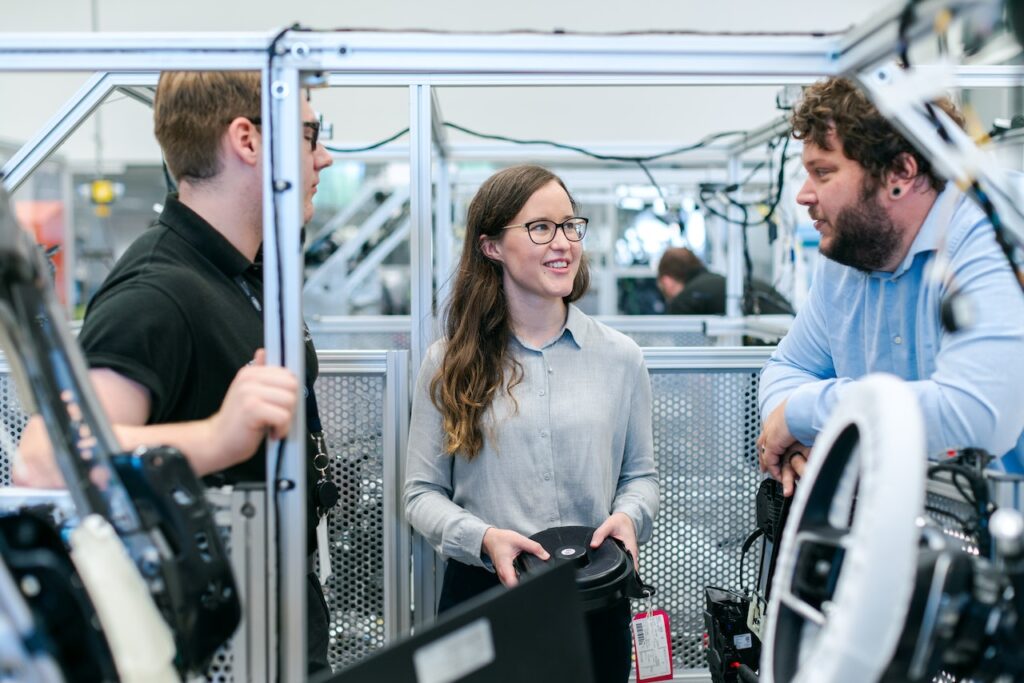
Students who work with math tutors in Chapel Hill, NC, experience customized lesson plans tailored to their unique needs. Unlike traditional classroom settings, one-on-one tutoring allows educators to pinpoint specific challenges and adapt their teaching methods accordingly. This personalized approach builds confidence, improves grades, and enhances overall comprehension.

How Personalized Math Tutoring Transforms Learning

One-on-one tutoring focuses on individual strengths and weaknesses. Instead of a generic curriculum, tutors adjust lessons based on the student’s progress. This method ensures a deeper understanding of concepts rather than just memorization.

Targeted Support for Struggling Students

In a classroom, students who need extra help often feel left behind. Personalized tutoring addresses these gaps by identifying specific problem areas and working through them comfortably. This targeted support leads to better comprehension and long-term retention.

Building Confidence Through Personalized Attention

Many students feel anxious about math due to past struggles. One-on-one sessions create a safe space where students can ask questions without fear of judgment. This personalized attention helps build confidence, directly impacting test and assignment performance.

The Ashley Morris Approach to Customized Learning

A dedicated math tutor, Ashley Morris believes in an adaptive teaching style. Her approach includes assessing a student’s learning style, setting realistic goals, and adjusting progress-based lessons. This strategy ensures that students understand math and enjoy the learning process.

Customized Lesson Plans

Each student has unique learning needs. Morris designs lesson plans that align with their pace and understanding. If a student struggles with algebra, more time is dedicated to foundational concepts before moving forward.

Encouraging Critical Thinking

Rather than just solving problems, Morris encourages students to think critically. She asks guiding questions, helping students develop problem-solving skills that benefit them beyond math class.

Improving Test Performance with One-on-One Guidance

Standardized tests and school exams often cause stress. Personalized tutoring provides strategies to approach different questions, improving speed and accuracy. Students also learn test-taking techniques, such as time management and process-of-elimination strategies.

Beyond Academics: Developing Lifelong Skills

Math tutoring isn’t just about getting better grades. It also builds skills that help in other subjects and real-life situations. Logical thinking, patience, and perseverance are all strengthened through personalized learning.

READ ALSO: How Your Child Will Improve in Math with the Right Support

Final Thoughts

One-on-one math tutoring provides an edge that traditional classrooms often lack. With customized lesson plans, focused support, and confidence-building techniques, students gain a solid foundation in math. Whether improving grades or preparing for future challenges, personalized tutoring prepares students for long-term success.

Boxing and Beats: Incorporating Music Boxing Machines into Physical Education

woman boxing

Physical education is more than just running laps or playing team sports. Adding variety keeps students engaged and motivated. Music boxing machines are innovative tools that transform PE classes into dynamic and enjoyable experiences. These machines combine rhythm, coordination, and cardiovascular fitness, making them ideal for today’s active learning environments.

Explore music boxing machines like those available at Music Boxing Machines. They are designed to create interactive experiences that challenge students physically and mentally. These machines promote physical fitness by incorporating music and movement while enhancing rhythm and coordination.

Benefits of Music Boxing Machines in PE

Music boxing machines bring several advantages to physical education programs. Here’s how they can make a difference:

1. Improves Rhythm and Coordination

  • Students follow the rhythm of the music while striking targets.
  • This helps improve hand-eye coordination and timing.
  • Great for teaching students how to synchronize movements to beats.

2. Boosts Cardiovascular Fitness

  • The fast-paced movements provide a fun cardio workout.
  • Encourages students to stay active and build endurance.
  • Suitable for different fitness levels by adjusting the difficulty settings.

3. Encourages Engagement and Fun

  • Music motivates students to stay involved.
  • The interactive design keeps them focused and entertained.
  • Students are more likely to participate enthusiastically in PE sessions.

4. Supports Cognitive Development

  • Requires quick decision-making and reaction times.
  • Enhances focus and attention span in younger students.
  • Builds confidence as students see improvement in their abilities.

How to Use Music Boxing Machines Effectively

Introducing music boxing machines to your PE program requires planning to maximize their impact. Here are some tips for educators:

Start with a Demonstration

  • Show students how the machine works.
  • Explain the benefits of using rhythm and movement together.
  • Allow them to try it out in small groups to build confidence.

Set Clear Goals

  • Align the activity with specific learning objectives.
  • Depending on the session, focus on improving coordination, fitness, or teamwork.

Incorporate into Rotational Stations

  • Use the machines as part of a circuit training setup.
  • Combine them with other activities like jump rope or agility drills for variety.

Adjust for Different Skill Levels

  • Use beginner modes for younger or less experienced students.
  • Increase the challenge for older or more advanced students with faster speeds or more complex rhythms.

Encourage Teamwork and Competition

  • Create group challenges where students compete or collaborate.
  • Use high scores or time challenges to keep it exciting.

Examples of Practical Use in PE

Music boxing machines can fit seamlessly into various PE scenarios:

  • Warm-Ups: Use them for quick, energetic warm-up sessions to get students moving.
  • Skill-Building Activities: Focus on rhythm and reaction time during targeted lessons.
  • Cardio Days: Incorporate them into aerobic-focused classes for an engaging workout.

Why Students Love Music Boxing Machines

Students often find traditional PE routines repetitive. Music boxing machines offer something fresh and engaging. The combination of music and movement feels more like a game than exercise. The machines’ instant feedback also makes students feel accomplished and encourages them to keep trying.

Educators’ Role in Success

Educators play a vital role in ensuring the success of new tools like music boxing machines:

  • Create a Positive Environment: Encourage students and celebrate their progress.
  • Monitor Usage: Ensure students use the machines safely and correctly.
  • Gather Feedback: Ask students what they enjoy and how to improve the activity.

READ ALSO: Sports Broadcasting as an Educational Tool: Learning Through Play-By-Play

Final Thoughts

Music boxing machines are more than just fitness tools; they are gateways to creativity and fun in physical education. By promoting rhythm, coordination, and fitness, these machines prepare students for healthier lifestyles. Educators have the opportunity to redefine PE classes, making them more engaging and inclusive with such innovative technology.

The Importance of Digital Marketing Education for Aspiring Marketers

Digital marketing is now a cornerstone of the modern business landscape. As companies increasingly shift their marketing efforts online, the demand for skilled digital marketers grows. Comprehensive digital marketing education is crucial for those looking to enter or advance in this dynamic field.

Understanding the importance of digital marketing education is essential. It’s not just about knowing the tools and techniques; it’s about understanding how to integrate these strategies effectively to drive business growth. According to Marvel Marketing, there is a significant skills gap in the digital marketing industry, with many companies struggling to find qualified professionals.

Key Components of Digital Marketing Education

Digital marketing education encompasses a wide range of topics. Key components include:

  1. SEO (Search Engine Optimization): Understanding how to optimize content to rank higher in search engine results.
  2. Content Marketing: Creating and distributing valuable content to attract and engage an audience.
  3. Social Media Marketing: Leveraging platforms like Facebook, Instagram, and LinkedIn to promote products and engage with customers.
  4. Email Marketing: Using email campaigns to nurture leads and maintain customer relationships.
  5. PPC (Pay-Per-Click) Advertising: Managing paid advertising campaigns on platforms like Google Ads and social media.
  6. Data Analytics: Analyzing data to measure campaign performance and inform strategy adjustments.

Top Digital Marketing Courses and Certifications

Aspiring marketers should consider enrolling in reputable courses and earning relevant certifications to build a solid foundation in digital marketing. Here are some of the best options available:

Google Digital Garage

Google’s Digital Garage offers free online courses covering various aspects of digital marketing. Their “Fundamentals of Digital Marketing” course provides a comprehensive introduction to the field, making it an excellent starting point for beginners.

HubSpot Academy

HubSpot Academy offers a range of free and paid courses on inbound marketing, content marketing, social media, and more. Their certifications, such as the Inbound Marketing Certification, are well-recognized in the industry.

Coursera

Coursera partners with top universities and organizations to offer online courses in digital marketing. Courses like “Digital Marketing Specialization” by the University of Illinois provide in-depth knowledge and practical skills.

LinkedIn Learning

LinkedIn Learning offers numerous courses on digital marketing topics that are taught by industry experts. Their courses are flexible, allowing learners to progress at their own pace and earn certifications that can be displayed on their LinkedIn profiles.

Importance of Hands-On Experience

While theoretical knowledge is essential, hands-on experience is equally important. Aspiring digital marketers should seek internships, freelance projects, or volunteer opportunities to apply their skills in real-world scenarios. Practical experience helps understand how different strategies work in practice and provides valuable insights that can’t be gained from textbooks alone.

The Role of Networking and Mentorship

Networking and mentorship are crucial for career growth in digital marketing. Aspiring marketers should attend industry events, join professional organizations, and connect with experienced professionals. Mentorship provides guidance, feedback, and support, helping individuals navigate their career paths and avoid common pitfalls.

Example: Finding a Mentor

Jane, an aspiring digital marketer, joined a local marketing association and attended their monthly meetups. She connected with several experienced marketers, one of whom became her mentor. Through regular meetings and discussions, Jane received valuable advice and insights that helped her advance her career more quickly.

Staying Updated with Industry Trends

The digital marketing landscape is constantly evolving. New tools, platforms, and strategies emerge regularly. Aspiring marketers must stay updated with industry trends by following reputable blogs, attending webinars, and participating in continuous learning opportunities.

Recommended Resources

  • Blogs: Neil Patel, Moz, HubSpot Blog
  • Webinars: MarketingProfs, SEMrush, DigitalMarketer
  • Newsletters: Search Engine Journal, Marketing Land, Social Media Examiner

Conclusion

Digital marketing education is essential for anyone looking to succeed in this rapidly evolving field. By acquiring a comprehensive understanding of key concepts, gaining hands-on experience, building a professional network, and staying updated with industry trends, aspiring marketers can position themselves for success. As the demand for digital marketing skills grows, those with the right education and experience will find ample opportunities to thrive.


Automotive Studies And Career Prospects In The Towing Industry

By definition, automotive depicts all activities in the area of ​​supplier parts, products, or services in the automotive industry including services in the towing industry like towing Santa Clara. In general usage, the term is also used synonymously with the automotive industry.

In automotive management, you support your company in reacting as quickly, flexibly, and economically as possible to new developments in the dynamic market.

Areas in the automotive industry

Specialists from different areas come together in the automotive industry.

Typical professional fields are:

  • Development
  • Construction
  • Production
  • Project management
  • Quality assurance
  • Distribution

towing Santa Clara

Automotive studies

For the automotive sector, you can be trained in two main areas. These are technical and business administration. Appropriate training would be, for example, as a mechatronics technician or logistician as well as an automobile salesman or salesman in wholesale and foreign trade. If you are planning to work with towing Santa Clara services then you can either work as a technician or a business administrator.

If you are closer to studying, you will do well with business studies. As an engineer in the automotive industry, you must have completed a bachelor’s degree, for example in mechanical engineering, electrical engineering, automotive engineering, computer science, or industrial engineering.

There are also more specific courses such as automotive management. Here you will take modules on the automotive industry, the supplier industry and procurement management, leasing, risk, and financial management, or even automotive marketing and brand management. You should plan a standard period of study of six to seven semesters for the bachelor’s degree. As a rule, a high school diploma or technical diploma is required.

What do you have to study to work in automotive management?

Courses such as automotive management, automotive & mobility management or a business administration degree with a focus on automotive management can prepare you specifically for a position as an automotive manager. Sometimes automotive management is also offered as a postgraduate master’s degree that builds on a business or technical degree.

What do you need to be able to do in automotive management?

In automotive management, in addition to your understanding of business relationships and technical processes, it is important to have your finger on the pulse. You should be open to innovations and work on forward-looking solutions for your company with your hands-on mentality.

You should also be good at giving instructions, have good communication skills, and have knowledge of human nature. Your quality standards, time management, and organizational talent will help you to lead projects to success.

Guardians of Safety: The Growing Need for Surveillance in the Education Sector

In today’s rapidly evolving world, the safety and security of our educational institutions have become paramount. The guardians of safety, in this case, are not caped heroes but a set of technological tools and services known as Surveillance Services. As concerns for the safety of students, staff, and valuable assets in educational institutions continue to rise, the importance of surveillance services in the education sector is growing exponentially.

The Changing Landscape of Education

The traditional image of schools as idyllic and serene places has evolved over time. Unfortunately, educational institutions are not immune to the challenges faced by society at large. Instances of theft, violence, bullying, and even more extreme situations demand proactive measures. These challenges necessitate a modern approach to safeguarding our schools and universities.

Maintaining a Secure Environment

Surveillance services play a pivotal role in maintaining a secure environment within educational institutions. By strategically placing security cameras, schools and universities can closely monitor their premises, effectively deterring potential threats. These systems are often interconnected with alarm systems, making it possible to respond swiftly to any unauthorized access or suspicious activity.

Surveillance Services – More Than Just Cameras

When we mention surveillance services, it’s not limited to just security cameras. Modern technology has revolutionized the concept of surveillance, offering a broader spectrum of services tailored to educational institutions. Here are some aspects of surveillance services:

1. Access Control Systems

Access control systems are the first line of defense. These systems ensure that only authorized individuals can enter specific areas of the school, such as classrooms, offices, or storage rooms. By implementing access control, schools can prevent unauthorized entry, reduce the risk of theft, and maintain a safer environment for students and staff.

2. Remote Monitoring

One of the greatest advantages of surveillance services is the ability to monitor the premises remotely. School authorities and security personnel can access real-time feeds from cameras and control access systems from a centralized location. This remote monitoring allows for immediate response to any security threats.

3. Data Analysis and Predictive Intelligence

Modern surveillance services often include advanced data analysis capabilities. By analyzing data from various sensors and cameras, educational institutions can detect patterns and trends that might indicate potential security risks. This proactive approach allows schools to take preventive measures before incidents occur.

4. Emergency Response Integration

In the event of an emergency, whether it’s a fire, a medical issue, or a security threat, surveillance services can be integrated with emergency response systems. This integration ensures that the right authorities are alerted promptly, and response protocols are activated to minimize harm.

Ensuring a Safe Learning Environment

The importance of surveillance services in education goes beyond mere security. They also contribute to creating a conducive and safe learning environment.

1. Preventing Bullying

Bullying has sadly become a pervasive issue in schools. Surveillance can deter such behavior and provide evidence if an incident occurs. It encourages a safer and more respectful environment for all students.

2. Protecting Valuables

Educational institutions often house valuable assets, from scientific equipment to technology. Surveillance services safeguard these resources, preventing theft or damage, ultimately saving schools precious budgetary resources.

3. Parental Peace of Mind

Knowing that their children are in a secure environment provides parents with peace of mind. This trust in the school’s commitment to safety ensures a more positive relationship between the school and the community it serves.

The Balancing Act: Privacy and Security

While surveillance services are essential for safety, they must be implemented with a keen eye on privacy concerns. Balancing security with respecting the privacy of students and staff is crucial. Proper policies, guidelines, and consent are vital in this regard.

The Road Ahead

As technology continues to advance, the role of surveillance services in the education sector is poised to expand even further. AI-driven systems can offer predictive insights and assist in maintaining a safe environment. However, the key lies in responsible implementation, ensuring that these services protect students and staff without infringing on their rights.

Read also: Education’s Power: Embracing Guest Contributions

Conclusion

The growing need for surveillance services in the education sector is a reflection of the evolving challenges in the modern world. By embracing these tools, educational institutions can not only enhance security but also cultivate a safe and nurturing environment for learning. Guardians of safety indeed, surveillance services are the shield that protects our schools and universities, allowing them to thrive in an increasingly complex world.

Air Rifles for Youth Education and Training: Promoting Safety and Skill Development

All About Air Rifles

air rifles for recreation

Air rifles have gained popularity over the years as versatile tools that serve various purposes. In recent times, they have emerged as valuable instruments for youth education and training, promoting safety and skill development among young individuals. With their lightweight build, manageable recoil, and lower noise levels compared to traditional firearms, air rifles offer a safe and accessible option for youth to engage in activities such as hunting, target shooting, and recreational shooting. Let’s explore the benefits and applications of air rifles in detail.

Hunting with Air Rifles: A Safe and Ethical Approach

Air rifles provide an excellent platform for introducing young individuals to the world of hunting. With appropriate training and guidance, young hunters can develop essential skills while adhering to principles of safety and ethics. Air rifles designed for hunting are typically chambered in smaller calibers, ensuring reduced power and velocity compared to firearms. This aspect makes them suitable for hunting small game such as rabbits, squirrels, and pests. Youth hunters can hone their marksmanship, patience, and fieldcraft skills, all while enjoying a thrilling and responsible hunting experience.

Target Shooting: Precision and Concentration

Target shooting is a popular sport that requires precision, concentration, and discipline. Air rifles are ideal for introducing young individuals to this engaging activity. With lighter recoil and minimal noise, air rifles offer a comfortable shooting experience, allowing beginners to focus on improving their marksmanship skills. Shooting clubs and ranges often provide specialized programs and competitions tailored to youth, enabling them to enhance their shooting techniques, develop healthy competition skills, and build camaraderie with like-minded individuals.

Recreational Shooting: Fun and Outdoor Adventures

Recreational shooting with air rifles presents a fantastic opportunity for young individuals to explore the outdoors, develop hand-eye coordination, and enjoy a fun-filled activity with friends and family. Whether plinking at targets, participating in informal shooting competitions, or engaging in field target shooting, air rifles offer a safe and enjoyable experience. Many shooting ranges and clubs provide dedicated spaces for recreational shooting, ensuring a controlled environment where safety protocols are followed, and beginners can learn the basics in a supportive setting.

Promoting Safety First: Education and Training

One of the critical aspects of incorporating air rifles into youth education and training is promoting safety above all else. It is essential to provide young individuals with comprehensive safety education and training before they handle any type of firearm, including air rifles. This includes understanding the basic principles of firearm safety, such as keeping the muzzle pointed in a safe direction, treating every gun as if it were loaded, and keeping fingers off the trigger until ready to shoot. Organizations such as the National Rifle Association (NRA) and 4-H Shooting Sports offer structured programs that teach safety, responsibility, and proper shooting techniques to young individuals interested in air rifles and other firearms.

Read also: Mastering the Basics: A Step-by-Step Guide to Changing Car Tires

Conclusion: Building Skills and Responsibility

Air rifles play a significant role in youth education and training, offering a safe and controlled environment for young individuals to develop important skills and values. Whether it is hunting, target shooting, or recreational shooting, air rifles provide a platform for young people to enhance their marksmanship, concentration, and discipline while fostering a deep respect for firearm safety. By emphasizing responsible gun handling and comprehensive education, we can ensure that youth who engage in activities involving air rifles grow into responsible and knowledgeable individuals who continue to prioritize safety and skill development throughout their lives.

So, whether you’re a parent considering introducing your child to the world of shooting or an educator looking to incorporate safe and engaging activities into youth programs, air rifles present a valuable tool for promoting safety, skill development, and a lifelong appreciation for shooting sports.

8 Ways Pet Dogs Educate You


Dogs are the best companions for humans. They provide a lot of benefits to their owners, including emotional support and physical exercise. That’s why many dog owners value their pet dogs in return by providing food, and shelter. We groom them with the best products and make sure they feel the love in return.

We should think about the benefits that dogs can provide for us in our daily lives. Not only do they make us feel better, but they also help us learn some important life lessons that we wouldn’t otherwise learn. This article will discuss some of the positive educational values of dogs and how they can be used in classrooms to teach children important life lessons.

1. Practical Learning – It’s All About the Experience

The key to success in any field is learning. You have to learn the basics, and then you have to learn about the industry and the skillset you are interested in.

Pets like dogs and cats can help in practical learning. Pets are natural teachers and their unconditional love is beneficial to children who are learning the process of acquiring language skills. For example, a child can be taught to sit by rewarding them with pets and playing a game of hide-and-seek. And if they don’t find the pet initially, they will keep searching until they do.

Read also: Pets During Studies: How Do The Two Fit?

2. Emotional Connection – Have a Heart-To-Heart With Your Pet

The heart-to-heart is one of the most important human interactions. It’s a moment where we can connect with someone, share our feelings, and be understood.

But what about our pets? Can they have a heart-to-heart with us? The answer is yes! We can show them how much we love them by doing some pet therapy.

3. Pets teach us to be mindful and considerate of others

Pets teach us to be mindful and considerate of others. They also teach us to be more patient and loving.

Pets can help improve our mental health, alleviate stress, and strengthen bonds with family members. They also make us feel happier because they give us unconditional love.

4. Pets Teach Us to Be More Focused on What Matters Most

Pets teach us to be more focused on what matters most. They help us to be more aware of our actions, and they can also help us grow in compassion.

Pets teach us to be more focused on what matters most. They help us to be more aware of our actions, and they can also help us grow in compassion.

5. Pets Teach Us to Be More Kind and Compassionate Toward One Another

Pets can teach us to be kinder and more compassionate towards one another. Dogs in particular are often considered the most empathetic animal species.

Pets are a good way to learn how to be kinder and more compassionate toward one another. They can help us connect with others in a unique way that is not possible with other animals or humans.

Owning a pet allows you to learn how to be more empathetic and compassionate. It also helps us form deeper connections with our pets, which has been shown by various research studies to have many health benefits for both humans and their pets.

6. Pets help us Develop Self-Confidence and a Sense of Competence

We all know that pets can be very comforting, especially when they are furry and cuddly. They can also help us develop a sense of competence and self-confidence.

Pets often provide unconditional love and care for people who are struggling with mental health problems like depression or anxiety. In some cases, pets help people to feel more confident about themselves by providing them with companionship and unconditional love.

7. Pets Strengthens Parent/Child Bonds

Pets are a great way to strengthen parent/child bonds. They are a non-judgmental companion that can provide care and support. They can also be a source of joy and happiness in the family.

Pets are also an outlet for children to express their emotions without fear of judgment or repercussions. Research has shown that children who have pets tend to have better mental health, self-esteem, and social skills than those without pets.

Some parents worry about how much time they should spend with their children when they have a pet in the house, but studies show that children who have pets spend more time with their parents than those without them.

8. Pets Can Help with Stress Management

Pets are often a source of comfort, especially when they are in our arms. They help us feel less anxious and stressed out.

Pets can also be used as therapy animals to help people who suffer from anxiety or other mental disorders. They have been shown to reduce symptoms of depression, post-traumatic stress disorder, and obsessive-compulsive disorder.

Pets can also be used to improve health by lowering blood pressure, reducing cholesterol levels, and improving sleep quality.

Learning through Entertainment: How Mobile Games are Changing Education

Mobile games are a new way to learn and have proven to be more effective than other methods. They offer a fun, interactive, and gamified environment that is appealing to many children. They are also better for learners because they can play at their own pace and can participate in the game whenever they want. There are a variety of apps that offer learning experiences, such as Spore Creature Creator and Word Garden. More games, apps, and software for children to use for learning are being developed each day.

Note that strategic games also offer a great learning experience for players. Examples of these games are League of Legends, Valora, Roblox, Minecraft, and Coin Master (coin master free spins might interest you).

What is the Difference Between Gamification and Game-Based Learning?

Gamification is the use of game elements in a non-game environment. It is used for a variety of purposes, such as marketing, education, and training. Gamification has been around for more than 30 years but has only recently gained popularity with the proliferation of mobile devices and social media.

Game-based learning is the process of using games to teach or train people. The goal of game-based learning is to make it fun while still teaching or training the player. Game-based learning is often used in K-12 classrooms to teach subjects like mathematics, history, and science.

How to Design a Science Game That Promotes Science Skills and Knowledge Acquisition?

The design of a science game should be done with the goal of promoting science skills and knowledge acquisition. There are various types of games that are appropriate for this purpose, such as games that involve experiments, games that involve scientific data analysis, and games that involve research.

There are also various ways that a game can be designed to accomplish these objectives. For example, it is possible to design educational games that are based on a certain scientific topic or discipline and focus on specific skills that need to be developed. It is also possible to design games where information about scientific concepts or experiments needs to be obtained in order to make progress in the game.

Designing a science game is not an easy task. It requires a lot of work and creativity to make sure that the game is engaging enough for the players. The game should be designed in such a way that it promotes science skills and knowledge acquisition.

Read also: Why is Education the Key to Success?

Games That Promote Critical Thinking Skills & Emotional Intelligence

Board games are a great way to promote critical thinking skills and emotional intelligence. They can be used for kids of all ages, but some games are better for older kids than younger ones.

Some board games that promote critical thinking skills are chess and checkers. These games require players to think strategically in order to win. Other board games that promote critical thinking skills are Risk and Settlers of Catan, which allow players to strategize and negotiate with each other.

Board games that promote emotional intelligence are usually cooperative in nature, such as Pandemic or Forbidden Island. These cooperative board games require players to work together in order to save the world from an outbreak or stop the flooding of a city respectively.

Conclusion: The Future of Education is Here with Mobile Games

Mobile games are the future of education because they make learning fun and engaging. Mobile games are a great way to teach kids about important topics like math, science, history, and more. Kids can play games about anything from their favorite TV show to the solar system and learn through play. They can also explore new worlds and meet new people with these games. The best part is that kids don’t need a console or any fancy equipment to play them – they just need an internet connection on their phones!

Why Sport And Education Belong Together

Sport is not just an exercise. Sport connects you with like-minded people, regardless of gender, social background, and religion. It conveys values ​​like self-confidence, tolerance, and fairness. At the same time, precisely these characteristics mean that sport provides easy access to more education worldwide.

When you think of sports and education, the first thing that comes to mind is probably good or bad memories of school physical education. Physical education has become an integral part of school, but does it do justice to its importance for children and young people?

mega news

Sport makes you smart: The sporty access to education

Sport and education are among the key issues in the society and have more in common than meets the eye. It offers valuable access to education on several levels. Through physical education, children learn important skills and abilities, such as team spirit, trust and responsibility. These are also of central importance outside of physical education.

Motivating success through regular training can help children and young people go through life with more self-confidence and thus have more confidence in educational matters. At the same time, sports offers allow a healthy balance to everyday, school and job stress. The head clears and the mood improves that provide optimal learning conditions.

By the way, sport is not just for children and young people. Adults also have the opportunity to develop their personality and skills through sports activities. Sport makes you smart for a lifetime.

Education makes you strong – equality and self-confidence through sport

Especially in conservative regions of the world, girls and women in particular have a hard time acquiring a position in traditional “male domains”. This often includes certain sports. The education and training of trainers on site creates emancipation and self-confidence as well as an important foundation for the academic and professional future. Simultaneously, you can address social issues in a playful way in the small sports groups, as well as targeted courses, such as computer or language courses. Sport can also be a door opener for more education on this very concrete path.

Pets During Studies: How Do The Two Fit?

Animals offer loving company, cuddles and all kinds of attention specifically for single people. On the one hand, you feel supported by social counterpart. This effect on humans can already be observed in guinea pigs. Objectively speaking, the animal doesn’t ‘do’ much at all and maybe just plays with its conspecifics in the cage. But the owner feels important when he can take care of an animal. Also physical contact and caressing are something very important.

Dog website

Benefits of four-legged friends in your own home when studying

Structure in everyday life made easy

A pet, depending on which type you choose, shows differentiated demands on its masters and mistresses, which take different degrees of time intensity. What they all have in common, however, is that they provide a rhythm that can help to align one’s own accordingly. While more care-intensive animals such as horses or dogs have to be actively integrated into everyday life, cats or small animals, for example, can also be left to themselves from time to time. However, they all require fixed feeding times, vet visits and cuddles. Doing this can help students organize their everyday life at school.

A boost in accountability

Do you want children later? Then the topic of responsibility will probably be one of the first aspects that come to mind on this topic. Just like any living thing, a pet needs some care. After all you have to make sure that it lives in a clean cage, is fed and washed, stays healthy and has enough exercise. The same applies here: Your animal, your responsibility!

The best pet for students

After you are able to tick off the list of aspects that you need to consider before purchasing the animal, the question now arises as to which animal it should be. In general, the answer to this question is of course dependent on the person and has to be answered individually.

However, you should of course be aware of the elementary needs of your preferred animal species before purchasing it.

As different as the starting situations may be, there is a simple, universal answer to the question of which pet is best for students. The one that makes you happy and is not restricted in its own needs. Whether dog, cat, mouse or canary, animals in general show positive effects on mental and physical health. Students in particular benefit from a positive learning effect due to more serenity when preparing for exams. Pets are a friend for life and this helps students structure their everyday life and sense of responsibility.

Understanding education as an investment

education-investment

Why do so many Germans prefer to invest in new cars over business administration degrees?

They see the short-term joy of new cars, but not the medium- to long-term benefits of education. They assume that education at the beginning of life is forever sufficient, but when it comes to cars, they understand how it starts to rust and is no longer up to date. We need to understand education as a further fundamental investment in life. Everyone, including the state, employer, and individual, must contribute to this.

The state is currently involved in a new education incentive. What contribution can a company make?

Money is only on one side, on the other side. Companies must create the necessary flexibility in terms of time for further training, and of course, receive more training and be content with the initiative. Employees often believe that they must apologize for their absence from continuing education during the pandemic. Further training needs to be a rule, but unfortunately, that is still a rare exception.


Germans have little further training in international comparisons. Did you miss the trend?

Is too late, so attention was paid to the extent to which the labor market is changing towards professional services and how rapidly the half-life of knowledge is currently declining. Our training centers are recognized around the world, especially in the field of dual training. However, it is easy to overlook the fact that initial training needs to be open to additional training units, attention must be paid to connectivity options, and colleges and universities also need to contribute quickly. For employees, this means taking a block of education after the employment or out-of-work learning stage.


Are the requirements met?

No, there are still a lot of changes. For example, a mother who first worked and then gave up parenting wants to add a master’s degree to her bachelor’s degree at the age of 35. However, at this time, she has little support from any Foundation program because of her age. This should not be the case.


For many, a “good” job means having a full-time employee and a stable income …

Again, we need to rethink. A lifelong job with one employer is passé. Linear income also increases. We have to adapt to fluctuations in income. For example, in Japan, at the age of 60, with a 25-year office and a 10-year self-employed kiosk owner, you might be thinking about something completely different. In many countries, this has long been the order of the day.


Why do employers still find it very difficult to change CVs?

In Germany, people think too rigorously, but employers and employees still have a complete resume in mind. But if employees move professionally, sometimes self-employed, and use the gap for further training, isn’t that a sign of flexibility? I don’t want to make my professional biographical break easy, I’m familiar with biographical fears. But we can’t go any further in a culture that protects existing rights. It is not possible to achieve the longer working life required by the social security system. It is also socially unfair to those who find it difficult to gain a foothold in the labor market.

Cydia Free: Benefits of Educational Apps

Everyone should think about how mobile e-learning applications revolutionize the education sector.

Previously, parents and teachers used smartphones as a distraction for students, which distracted them from studying. Technology has always come up with brilliant ideas, to make it easy and fascinating for the students, learning with an application. Technology like Cydia free has placed more emphasis on, which studies become visually fascinating as educational applications developed.

E-learning applications are rapidly increasing and offer companies, that develops mobile applications, new opportunities for the development of educational applications.

Cydia Free

Some of the benefits of mobile applications in education: Cydia free

Improved performance

The e-learning apps help children and students of all ages, to extend their teaching time, by taking control of their education. These applications create a positive learning environment, which helps the students, achieves excellent ranks and improves their skills. Students can attend the same lecture several times. You can take an assessment test after the lecture or course, to assess them.

Proper use of time

E-learning applications can help students, to use their leisure fruitful. Students usually waste their time on activities outside of study, which are of no use. These applications allow students to read e-books, listen to recorded readings, solve puzzles and take quizzes, which sharpen their minds and skills.

To make students a techno-geek

Education programs help students develop the technical skills which are beneficial to them. Technology developed at a rapid pace, which makes it obligatory for students to participate in the technology. With the development of educational applications, it is possible to introduce students to technology at different grade levels. Education does not mean, to get good marks. Students must also have pragmatic expertise in each concept, which they study.

Effective communication

E-learning applications motivate students to learn and share their doubts with the teachers, to gain a clear perspective. It serves as a simple medium for students, to communicate with the teachers and vice versa. It makes it easier for both to stay connected.

Students adapt modern and creative learning methods in wonderful ways through mobile learning applications. E-learning applications make it easier for students to decipher their problems and to facilitate learning.

Digitization In Schools & Training: Kindle

Digitization is spreading in all areas of life, work and business. For young people, in particular, it is important to acquire digital skills in order to survive in the job market of the future. The digital pact wants to make an important contribution here. It is important to personalize the digital learning content and adapt it to the learning pace of the students. A successful mix of technology like kindle vs ipad reading, content and teacher plays a decisive role here. Digital education can only be successful with a properly equipped learning location.

Kindle vs ipad reading: Importance of digitization in schools and training

School and training are primarily there to impart skills. Nobody can know everything and nobody can master every technique. Digitalization must also be packaged in a child-friendly and fun way. But the ability to find and learn new knowledge or to discover new techniques and try them out successfully is indispensable for every career path.

This is exactly where digitization comes in in schools and training. A sensibly structured digital lesson begins with imparting media skills to the students. They need to know the technologies that are available to them in order to be able to use and apply them in a targeted manner. Sound IT knowledge is a great help here and a basic requirement for integrated learning.

Kindle vs ipad reading: The mix of technology, content and teacher is crucial

Almost all experts agree that digital media have many advantages and can make learning much easier for schoolchildren. But they are just as unanimous on the fact that such media can never completely replace a teacher, emphasizes.

Kindle vs ipad reading

Rather, they are the tools of the trade with which education can be conveyed precisely and individually. But just as a drill alone cannot drill a hole in the wall, digital media can only reproduce and query content and knowledge, but only convey it to a very limited extent. In addition, a complete individualization of learning is not at all desirable. After all, there is always a social component associated with education and it is always about community and team building.

For all these reasons, digitization is not the panacea for the education system. Rather, the mix of technology, content and teacher has to be right. For example, the best technology is of no use if there is no content to be conveyed. Likewise, the best content is of no use if neither the teacher nor the learning software can convey it clearly and make it understandable to the students. Creative and innovative teachers must therefore be given modern media in order to be able to convey relevant and interesting content.

Physical Education For Children

Smarter people are more active and get enough sleep in their bedrooms. Exercise is essential for good health. These are just a handful of the assumptions and claims you may have heard about physical education. and in order to have the energy to exercise, you must also get so much sleep, and if you want to buy or look for a bed, you may head here at  hugo & sons where you can get a comfortable and high-quality bed.

What is physical education?

Gymnastics, physical education, and physical education are all terms for physical education. Physical education in elementary school is defined as physical activity education aiming at promoting responsible involvement in the physical activity culture. This culture encompasses all forms of sporting activities and types of exercise enjoyment, as well as the modern world of exercise in which youngsters participate. The goal of physical education is to broaden students’ exposure to this physical activity culture. Children learn to begin and sustain an exercise activity individually and collaboratively. Taking into account others is equally vital in this.

Physical education for motor development

At an early age, the groundwork for proper motor development is laid. Exercise has a greater influence on all development areas when people are younger. Children learn how to utilize their bodies through a variety of activities that are both diverse and varied, allowing them to become motor proficient and feel competent. Both are required for a more active lifestyle later in age. Adequate daily physical exercise is critical for children’s physical and mental health, as well as for learning to live an active lifestyle.

Effects of sport and exercise on primary school

Sport and exercise have a demonstrable favorable impact on brain structure and executive skills. Sport and exercise have also been shown to improve motor and movement abilities, as well as fitness, all of which are vital for learning. According to research, children who participate in physical education develop superior motor skills and are more physically fit. Playing and sports are excellent ways to introduce children to many types of exercise. They develop in a varied manner as a result, and they learn what they are excellent at and what they enjoy.

The importance of physical education

Because most exercise and sports activities are done in groups, it is vital to understand how to agree on what the rules are, how to follow them, and who performs which role. This involves assisting one another, paying attention to safety, recognizing one another’s potential, and developing one’s own.

Physical education and learning performance

It is a well-known fact that exercise makes youngsters smarter. Although this is oversimplified, multiple studies have demonstrated that exercise boosts learning performance. Daily exercise, for example, improves executive functioning greatly. It also boosts problem-solving abilities and impulse control. Regular exercisers, both children and adults, report feeling more at ease in their own flesh. When youngsters exercise frequently, their brain connections become more fluid. Important connections for learning performance.

Physical education at your school

The significance of exercise, and hence of the overall physical education system, extends beyond an extra hour of gym time each week. Physical education provides youngsters with a stepping stone that allows them to exercise later in life, outside of PE. As a result, the physical education session should not be the most significant time of movement for a child, but rather a learning opportunity, just like any other at school. The goal of physical education is to educate children on fundamental motor skills, how to collaborate, and how to evaluate their own capacities. Physical education introduces children to sports and fitness activities at a young age and allows them to find what they enjoy.

Education | Some Digital Games Played In The Classroom

Even though digital games are an integral part of many children’s and young people’s daily lives, they still play a minor role in educational settings. Digital games have a lot of potential in terms of teaching and learning. Digital games can help visualize complex content in a realistic way. Furthermore, game scenarios can motivate students and inspire them to learn while sitting in gaming chairs otherwise dry material.

However, the lesson should not solely focus on the game. Students can, for example, write their own game reviews, record podcasts, or film “Let’s Play” videos. Media literacy can be promoted in this way with an eye toward other types of media work. Teachers can facilitate interdisciplinary learning in this way.

DIGITAL GAMES IN THE CLASSROOM EXAMPLES

Assassin’s Creed Origins
The game includes an educational mode that allows players to freely explore the ancient Egyptian world. The game includes historical information on important structures and cultural practices. The game provides themed tours with no time limit or combat for this purpose.

Valiant Hearts
Valiant Hearts is a puzzle and adventure game set during the First World War. The game is based on real wartime letters and historical documents. It tells the story of four characters who each had their own unique perspective on the war. A French commission of historians praised the game for its historical accuracy.

Minecraft
Minecraft is a type of block-based game in which the goal is to create various shapes out of blocks. The blocks can be used to make structures, tools, animals, and plants. Topics from specialist lessons can be transferred into the virtual world thanks to the modular system. With the blocks, students can, for example, recreate certain buildings or represent complex issues such as the structure of a molecule. You can find Minecraft lesson plans here.

Scratch
Scratch is a programming environment that allows users to create animations and digital applications. It is not a game in the traditional sense. Students can, for example, create their own computer game or use Scratch to program robot command sequences. The programming interface is clearly and simply designed so that even novice programmers can quickly navigate and get their first taste of programming. Scratch is also available as part of a paid L version’s SoN software package.

GAMIFICATION IN THE CLASSROOM EXAMPLES

Storytelling
In the context of teaching, storytelling can mean incorporating work assignments into stories to create a more engaging environment. One option is to simply rename certain terms used in the classroom: A work item might be referred to as a “mission,” and the worksheet might be referred to as a “mission report.”

Classcraft
Classcraft is a gamification platform that is meant to be used in the classroom for a long time. This embeds everyday teaching activities in a role-playing scenario, promoting social skills in particular. The game is based on a virtual point system, in which students earn points for real-world participation in the classroom, for example. Over time, the students receive tangible rewards in exchange for their experience points, such as homework vouchers or test preparation tips.

Technology a Parents Essential Aspect of Their Children’s Education

According to study, the majority of parents of 2- to 6-year-olds believe, it is important that their child be exposed to the most recent technology advances at a young age. They try to do whatever they can to train their children for a world that is rapidly changing.

Parents are increasingly using technology as a tool to teach children how to use technology in a playful way. Almost half of the parents surveyed, and indicated that their children use television to acquire educational knowledge.

Understanding the Research How Technology affect Children’s

Television channel Nick Jr. (part of Nickelodeon) has commissioned an international study, the so-called Little Big Kids: Preschoolers are ready to learn about life. It is striking that 79% of parents are concerned about the future of their child. They want to prepare their children as best they can for a world that is constantly changing, including the fact that two-thirds of today’s children are going to work in jobs that currently do not exist. Thanks to the tactical use of technology, toddlers of today have a great problem-solving abilities and are interactive at a young age. 71 % of parents of children aged 2 to 6 in other countries believe it is necessary for their children to learn by doing things for themselves.

Educational programs

A  fashion model and ambassador Mother of Nick Jr., Kim Kötter, is expecting her second child and tells about her experience with educational programs: ‘To be honest, the channel is sometimes the ideal babysitter! Like most of the parents in the study, I also set a time limit for my child’s daily use of different media and make sure that my son plays outside for at least as much time. Contrary to what is expected, this is actually very well balanced in the Netherlands compared to other countries. Children play out here just as much as they are busy with the media. At the same time, I see that the use of devices also makes small children smarter, provided the content they view is responsible. ‘

Smarter

Victor Coolman, of Nickelodeon, finds that it is very important to investigate, what are the concerns of parents in order to continue to meet their child needs. In general, parents agree that learning to use new technology makes children smarter. In 2017, parents consider it a ‘must’ to bring children into contact with modern devices from an early age. For us, it doesn’t stop with television and it is important that we continue to develop and provide entertaining educational, and interactive content on the other devices. Because children are motivated by the stories and characters to learn through play and to play smarter, wherever they are. ‘

The use of gadgets by young people today can indeed impart knowledge to children, but there are numerous negative consequences when they are overused. As a result, our children’s use of emerging technology should be monitored and guided. As parents, we must all be reminded to use technologies responsibly. In this situation, we should consult with professionals such as ‘NYC it support’ on how they can support us in our home, business, or with something related to technology.

HOW DO YOU KNOW WHAT IT LOOKS LIKE INSIDE THE EARTH?

One can only look into the earth up to a certain depth. It is 6,000 kilometers to the center of the earth. However, the world’s deepest borehole only goes down to a depth of 12 kilometers. This is just a scratching on the surface or on the earth’s crust.

Earth’s crust, mantle and core

This subdivision relates to the chemical composition. The earth’s crust consists of lighter elements, especially aluminum and silicon. These two elements are the rocks we know: granites, basalts, slates – that is the earth’s crust.

In the earth mantle there are the slightly heavier elements; instead of aluminum, there is more iron and magnesium.

And the Earth’s core is 70 percent iron plus quite a lot of nickel. At its core, therefore, the really heavy material is concentrated. This is the coarse division according to chemistry.

Volcanoes and diamonds provide information about the Earth’s mantle

The information source on the nature of the earth’s interior is:

Volcanoes: There are volcanoes that have their roots at several hundred kilometers deep. That is, the spitting material out of the earth’s mantle. In this respect, they provide information on the chemistry of the earth’s mantle.

Diamonds: Most natural diamonds have formed in the Earth’s mantle and have only later reached the surface through magma streams. When you cut up such diamonds, you always find inclusions of the environment in which they originated – that is, the earth’s mantle.

Magnetic field and meteorites also provide information

One indication of this is the Earth’s magnetic field. For a magnetic field you need a metal, namely a good electrical conductor. The fact that these must be iron is confirmed by another “source of information”: meteorites.

Meteorites are interesting because they formed in our solar system from the same dust cloud as Earth once did. Every now and then someone falls down to the ground. These crashed meteorites can be examined chemically and assume that their total chemical mixture is the same as with the original Earth – because both have been composed of the same dust cloud.

The difference is that on Earth, this mixture has separated. The heavy elements have slumped down into the earth’s interior, the light ones on the edge, on the crust. But since the chemistry of the crust is known – that is the soil under our feet – and at the same time one knows through the meteorites what the overall mixture looked like, one can deduce from it what metals and minerals are available in the earth’s interior.

Seismic measurements

In California, after the earth shakes, people get busy, especially companies like towing services (http://sanjosetowing.org/), the fire department, and practically all government agencies. They want to assure that everyone is safe and try to put things back to the way it was.

In the same manner, the seismology department and other concerned bodies look into the measurement of shockwaves. If the Earth shakes in California, it is possible to measure when and how the shock waves of this quake arrive in Europe or China. And so the scientists gradually got information about how the different layers are made and where in the earth’s interior the boundaries between the different “layers” run.

The boundary between the Earth’s mantle and the Earth’s core, runs almost exactly at half depth, at a depth of 2,900 kilometers. This, in turn, is known above all by seismic measurements: we know that every major earthquake releases shock waves that propagate throughout the globe. However, these shafts have different speeds depending on the material.

Less pesticides, more education: 9-point plan for insect death

At the International Insect Safety Symposium at the Museum of Natural History in Stuttgart, researchers are presenting a proposal for steps to combat insect mortality. With about 1 million recognized species worldwide, insects are among the most prolific classes of organisms on the globe. Despite this evolutionary achievement, many insect groups in Central Europe are now at great risk and are in decline to the point that one may talk about widespread insect death. Under the slogan ‘Facts, Causes, Remedies,’ renowned scientists from all over Europe have today met with political, industry and nature conservation leaders at the Natural History Museum in Stuttgart to explore potential solutions.

At the conclusion of the symposium, the researchers summarized these methods in a 9-point collaborative proposal. “The rapid reduction of insects has been obvious for decades and would have unforeseen economic and ecological implications if we do not at last act,” warns the Doctor of Natural History at the Stuttgart Museum and future Director of the Department of Systematic Entomology.

The demands of scientists for the protection of insects

1.Restriction of the use of pesticides in agriculture,
among other things through changed approval procedures, a ban on preventive plant protection and a ban on neonicotinoids and total herbicides.

2. Intensification of agriculture
among other things by coupling EU agricultural subsidies to ecological services, by promoting fallow land and organic farming. Nutrient surpluses must be limited, structured areas and the networking of biotopes must be promoted.

3. Increase in the biodiversity of grassland
A decline in grassland areas must be stopped. The management must become more insect-friendly, the use of mulchers and mower conditioners limited.

4. Care of nature reserves
among other things, care management must take better account of insects. The area under nature protection must be increased and the use of pesticides prohibited in it. The nature conservation authorities need a higher budget.

How to Attract Beneficial Insects

5. More nature in public spaces
Public green spaces should be designed to be more insect-friendly: more domestic flowering plants instead of more greenery in the city. Lawns have to be converted into extensive hay meadows.

6. Less light pollution
Street lights should be converted to LEDs, the color temperature should be a maximum of 3000 Kelvin, which is less attractive for insects than the usual 4000 Kelvin.

7. Research and education
offensive The population has little knowledge of species. A taxonomy offensive for experts and amateur entomologists is therefore necessary. Insect monitoring must be expanded and natural history collections better supported.

8. Promotion of wild pollinators
Wild bees should receive a higher protection status and be included in the Habitats Directive. In order to avoid the transmission of disease, strict hygiene must be observed with honey bees; food competition with wild bees must be avoided, for example by setting a maximum number.

9. Public relations
The population’s awareness of the problem must be heightened, for example so that private gardens can also be made more insect-friendly.

Pesticides are used to eliminate alarming pests, but they can have side effects that are detrimental to nature and causing the mortality of beneficial insects. To avoid this, use ‘marijuana pests,’ a natural pesticide that helps to preserve the naturalness of our environment.

Find out how to encourage your child to drink more water.

It turns out that getting children to drink water is very difficult. Even, it is better to drink water rather than lemonade, fruit juice, milk products, or other sugary beverages. Here You will learn how to get your child to drink more water.

10 Tips to encourage your child to drink more water.

CUPS & DOSES
Make it a joint project! Go to the mall or let kids choose a cool cup, water bottle or straw online with their favorite characters and colors. They come in many shapes, colors and sizes and are guaranteed to make drinking water a lot more fun!

TASTE MAKERS
Involve children in the process of making drinking water a fun habit. For example, let them choose herbs and / or a piece of fruit to add to the water every day. Then make a fruit cocktail together and assess the end result by means of a score card.

REDUCE
Difficult-to-please drinkers who despise water? Mix sugary drinks with water to avoid consuming them. Begin by adding a little water to the sugary beverage and gradually increase the amount of water each week. Mostly, children are unaware!

BE AN EXAMPLE
Encourage the whole family to drink more water! Why should children drink more water if we are not setting a good example ourselves? It often doesn’t take long for kids to switch to drinking more water when you do too.

EXPLAIN WHY
It’s a lot easier to get kids to drink more water if they understand why it’s so necessary. Is it impossible for you to explain yourself? There are several instructional videos for kids on the internet that illustrate the value of water in a fun way!

To learn more, watch the video. What happens if you don’t drink enough water.


IT BEGINS IN THE SUPERMARKET
Drinks that are not in the house cannot be drunk. Make sure to buy a limited amount of sugared drinks each week. Communicate clearly to children that new supplies are only bought once a week and that they should use soft drinks sparingly.

MOISTURE BREAKS
The moisture your body needs is not only obtained from drinking, but also from food. To get enough moisture on a daily basis, we recommend choosing products that contain a lot of water. Think of watermelon, strawberries, apple, lettuce, tomato or cucumber.

TAKE CARE OF ROUTINE
Make it a habit to drink a large glass of water with children at a fixed time. You can also come up with a routine yourself.

ALWAYS WATER NEARBY
Keep water near children at all times. This way you make it a lot easier for them to drink more water. For example, put water on the table during dinner, take water in a bottle to the playground or let them bring their own water bottle during a day out.

CHANGE GLASS OR CUP
Make drinking water more attractive! Let children drink from a low and wide glass, instead of having them drink from a narrow and tall glass. The content of a narrow and high glass seems more than if you were to pour the same amount into a low and wide glass.

Drinking water is beneficial to our health. How would we survive if there is no water? Just like in our house  we can’t shower, clean the kitchen, or, most importantly, clean our bodies without water, so here is the ‘water damage repair corona ca’ to keep the waterways in the house in good condition.

Children In Mexican Schools Learn By Watching Television

Now that schools in Mexico remain closed for the time being, children can follow education via television

Normally, Alan would be at school at 1:00 pm and his father would be able to focus his full attention on his small restaurant in Escandón, a middle-class neighborhood in Mexico City. However, like all schoolchildren in the country, Alan is at home. On August 3, the Mexican government decided that the schools should remain closed for the time being because of the corona pandemic, which killed more than 60,000 Mexicans. To save the school year, which began on August 24, the government hastily came up with an experimental solution: more than thirty million students in public schools have been taking their lessons on television since last week. Mexico is the only country in the world that approaches education in that way and scale in times of corona. The lessons are broadcast daily on special channels; parents must first configure their TVs for this.

Lessons are difficult to follow due to a bad signal
It’s not the only complaint about TV education. As of last week, parents across the country have been saying that the signal from the broadcasts is sometimes so bad that their children can barely follow the lessons. If you experience a slow signal while watching, you can use a tool such as ‘iptv subscription’ to fix the reception. They are also concerned that their children are having trouble staying on track. However, according to the government of President Andrés Manuel López Obrador, this is the best way to keep as many children as possible in school for the coming months. Outside of urban areas, less than half of Mexicans have the internet. 93 percent of households do have a television.

Lessons via Zoom at private schools
That personal contact has more than five million students in private education, too expensive for many Mexicans. Private schools have more money and infrastructure and therefore the possibility to offer the lessons via the video application Zoom. Likewise, five-year-old Joel. Every day at nine in the morning he sits down in a corner of the living room in an apartment in Mexico City for a laptop. His classes last, with a handful of breaks in between, until two in the afternoon. Joel does his best, even if the connection stutters for a moment. Every now and then he tries to answer a question from the teacher, but then Mother Elizabeth Islas has to step in to turn on the microphone.

Double work for parents
Yet even this form of distance education is far from ideal, she sighs: “For me, it is double work. I have my job, but I also have to keep an eye out for Joel if he threatens to be distracted. Last week, when the school year started. , it went reasonably well, but this week is chaotic. The pressure on the parents is great. ” In recent weeks, teachers and parents have frequently voiced their concern about the risk of lagging behind in distance education for pupils. That’s unwelcome news in Mexico, where the quality of education is already lagging behind other major countries in the region.

PROGRAMMING FOR BEGINNERS

Learning to code is a long, difficult journey – and if the first few hundred kilometers go in the wrong direction, you will probably cancel the journey and sit on the couch. So you should think carefully about which programming language you start with.

SELECTION CRITERIA

Choosing the best programming language to get started can be fixed at many points – and there will never be a clear answer. Are you looking for a language that is particularly easy to learn? A language for a specific area of application? Should it give you the best job opportunities? Or maybe the maximum salary? Or should it be the most popular? The most popular? Depending on how your answer is, a different language is likely to pop up. And even there are different sources with not always the same results. But well, let’s try to find recommendations for a couple of these areas. A good source is, for example, the Stack Overflow survey.

As far as popularity is concerned, there is a clear announcement here: JavaScript is ahead with 62.5 percent, followed by SQL with 51.2 percent. But is this helpful for you? Only conditionally: SQL is simply used for databases everywhere and is not suitable for general programming entry at all. JavaScript, on the other hand, could be interesting.

The most popular language among survey respondents is Rust, but this only applies to coders who are already working with it. Under “Most Wanted” Python and, again, JavaScript are in places 1 and 2. On the other hand, 40 percent of respondents say they would rather not continue to work with JavaScript – a statistic in which Python only appears much later.

You want to edit a specific area? Then it becomes difficult. PHP, for example, is passionately hated because technically it’s not really good. On the other hand, most of all websites consist largely of PHP code! As a web developer, you’ll hardly get around it at some point. Do you want to develop programs that run as perfectly as possible and get into computer science properly? Then the classic C, the much more practical C++, but above all Java. All three languages are very powerful, allow for the most basic work and are also very popular in the commercial environment. Java is quite suitable for getting started, C not at all and C++ only for those who really, really mean it!

Now it’s really exciting: are you looking for a language that is easy to learn? Here there are two acquaintances as clear winners, for example, if you look at what is used for programming courses at American universities: Python and Java are clearly ahead here. Matlab for mathematical matters as well as C and C++ follow, but these are increasingly replaced by Java. With all these many keywords, three candidates keep popping up: JavaScript, Java, and Python.

PYTHON

Python has basically established itself as an egg legend woolly milk sow in recent years. You will find discussions in many places on the net, whether Python is a scripting language or a “real” programming language, but you can make it easy: The inventor of Python, Guido von Rossum, calls Python a “universal general purpose programming language” and that fits. You can use Python to write small scripts for everyday admin use, but also monolithic desktop programs for customers.

The Python code remains relatively easy to read, which helps a lot to get started. In addition, there are free learning materials free of all; Whether you’re looking for an introduction to a specific topic, entire online tutorials, programming tools directly in the browser, or desktop training programs, you’ll find a wide range of choices. But even after the learning phase, if you want to become productive, the Python world supports you, among other things with many useful, free libraries. Such libraries include standard features that not every Python developer needs to reinvent every project.

JAVASCRIPT

There are, of course, also developers who are less interested in the whole cosmos of programming than in business and design. So if you’re more interested in knitting fancy, interactive websites or maybe starting your own start-up as a business student, JavaScript isn’t a bad alternative. The professional opportunities are also very good, because JavaScript developers can probably start in almost any web service provider office, even the smallest. Basically, the same applies here to Python, thanks to a huge community.

Make Art Class Important Today And Tomorrow

Is art class still necessary? And if so, why? Art is often referred to as an orchid subject: beautiful, but dispensable! So it happens that in some federal states art lessons are further shortened and in many schools, they are outsourced to the afternoon area. In the morning, the core subjects taught, in the afternoon – when the students’ ability to concentrate declines – art classes are taught.

Art didactics defends itself against the fact that the subject of art is increasingly marginalized and emphasizes the importance of art lessons for general education.

Five arguments for the educational relevance of the subject “art”

  • Art as an educational value. Contemporary art is often difficult to access without prior knowledge, which often leads to head shaking. One does not do justice to historical art if one reduces it to its decorative function: “I think this painting is beautiful.” Art, on the other hand, can make the invisible visible. Art can help to see and represent something ambiguously. It leverages everyday perception to a certain extent and lets us see the world “with different eyes”. Of course, this does not happen through superficial observation, but through intensive discussion and reflection – not least inspired by one’s own artistic design practice. The world and self-perception become more complex and richer and thereby promote general education.
  • Image competence. Visual language is becoming more and more important in our culture. At school, however, pupils hardly acquire the skills to deal with images in a self-determined and reflective manner, to receive images appropriately, or to produce them themselves.
  • Media literacy. Dealing with digital media, which is also often image-generating (e.g. digital photography, website design), must not remain in the leisure area or be limited to the technical aspects of computer science. Designing with digital media is the task of art lessons within the framework of open processes. Here the medium can be deliberately brushed “against the grain”.
  • Action Orientation and performativity. Dealing with materials and things train the hand and the whole body values, ​​practical skills, and thereby opens up authentic situations of learning and self-awareness in one’s own actions. The notion that meaning is not formed either in verbal language or in the visual, but rather first in concrete actions, is expressed in the concept of the performative.
  • Creativity. Art education repeatedly refers to the key competence of creativity. On the one hand, there is a risk that creativity as a phrase has become too contourless. The characteristics of the creativity theorem should be an indispensable part of the art class.

We have entered the digital age and even in this modern era of internet technology, the value of art shows its importance in all aspects. From web programming, web design, and even in social media posts to applications, there is an art in it. So it is just right to say that art classes should be given importance by educators all over the world.

Childhood in Africa: Why education is important

What does a happy childhood look like? Children should play, go to kindergarten or school, and live their lives carefree. But one in three children in sub-Saharan Africa does not go to school.

Why don’t the children go to school?

Due to the poverty and the associated hunger of the people living there, children are forced by their families at an early age to take on their own responsibility and to support their family with the wages of child labor. Because of poverty, some people have no access to the internet to check MyCarCover site. In addition to child labor, which is a problem especially in rural areas, there is a second conflict: Many children are unwillingly married off at an early age. Because of the poor living conditions and the poor health conditions caused by the lack of doctors and medication, children usually have to worry about their sick family members at an early age. This means that they are also deprived of the chance of better training and thus of a better future.

Everyone can help the poor – if they want to

Not only have these reasons contributed to the fact that children cannot go to school, but also the long way to school. These are usually very dangerous, the children are defenselessly exposed to the perpetrators in the event of attacks. There is also a lack of well-trained teachers in schools, especially in rural areas. The lack of education of the parents also contributes to the fact that children do not attend school.

The education of the population and especially of the children is of great importance. Because only through a good and comprehensive education of the population can the African countries develop further in terms of research and development, for example, they can train medical professionals, teachers, and engineers – and a functioning state needs that.

What is U​​NICEF doing against educational poverty?

UNICEF ​​is committed to health, family planning, hygiene, nutrition, and education in developing countries. UNICEF ​​not only provides information but also helps with donations, to build new schools and train enough teachers. One can say that UNICEF ​​has already successfully given children the right to an education in several African countries and in many other regions of the world.

Significance of physical education

If exercise and sport are not on the agenda at home, this can lead to physical ailments and problems in the long term – not only privately but also professionally. In order to get children and young people enthusiastic about health and more exercise, schools have been mandated to do tasks and goals for physical education.

School sport – what physical education has to do with education and upbringing?

Children and young people can develop and expand many skills and competencies through sport. In addition, they can relieve stress and tension from everyday life. Daycare centers, kindergartens, and schools also have an educational mandate in addition to the parents.

Schools must ensure holistic learning experiences for children through child-appropriate exercise or stimulating activities like those found on funfactoday website, play, and sport and should sustainably promote their development.

Pedagogical perspectives on the physical education mandate

  • Improve perception skills, expand movement experiences
  • Express yourself physically, create movements
  • Dare to take responsibility for something
  • Experience, understand and assess performance
  • Cooperate, compete and communicate
  • Promote health, develop health awareness

Through sports lessons, children and young people are confronted not only with the topic of movement, but also with the development of personality, perception, and self-confidence. They will learn, among other things, how to deal with success and failure and how to accept rules that are more important in social interaction.

The development of social skills such as the ability to work in a team or to take on responsibility is also an important aspect that is neglected nowadays. Courage, togetherness, and solidarity are essential for children in a fast-paced and over-civilized society. If they are not given values ​​early on, this can lead to social problems in later life. Both in private and professional life.

Why is physical education so important for children and teenagers?

Essentially, exercise has some very positive effects on children and young people. The physical education is a welcome balance to the usual school life, which mainly includes calm sitting. In physical education, children and young people can pursue their urge to exercise and reduce tension and stress.

Educational Toys by Age

What Toys Should Your Child Play?

With educational toys, your child learns to use his imagination, motor skills, and spatial insight in a Child, Baby, Education, Toy, Son, Fun, Booklet, Touchplayful manner. It is educational but above all fun. Nowadays there are very nice toys that your child also learns from.

Benefits

Playing is learning. When kids are young, they are continuously trying to learn new things. Educational toys challenge your child to investigate everything. This is good for intellectual ability and stimulates creativity.
In addition, your child learns many new things. He can gain knowledge about, for example, language, math, music, nature, and the world. When buying toys, pay attention to the age indication on the packaging. Although this does not say everything, every child develops at his own pace.

Stay Focus to the Quality Mark

As with other toys for your baby, it is good to pay attention to the CE mark with educational toys. Always look at the age indication and the toy itself. Are there no loose parts? Especially with children up to 3 years old, it is important to pay attention to this: they still put a lot in their mouths.

Today, many educational toys are made that run on batteries. By itself, there is absolutely nothing erroneous with that. Note the volume. Preference is given to toys whose volume can be turned down (also nice for your own ears). Don’t let your child hold the toy to his ears when it makes a noise.

Educational Toys for Babies (0-2 years)

In the first two years of life, babies learn a lot. They will do that by simply playing. Playing helps your baby to develop fine motor skills and hand-eye coordination. From the age of three months, your baby will reach for toys. Good toys are, for example, a mobile phone, a music box, and fabric balls. From four to six months, toys with sound are suitable, such as a rattle. Your baby is increasingly discovering and examining yourself.

Educational Toys for Toddlers (2 -4 years)

Toddlers discover the world around them. They learn to count, recognize shapes, or build towers. At this age they are busy with their own best power wheels with remote control games through the I phase. Suitable games are for example lotto, picture domino, and loco. Educational toys help your toddler develop their interests. Therefore, take a look at what he likes to do.

Educational Toys for School Children (from 4 years)

For this age, games in which every action (for example pressing buttons) elicits a reaction. Group games for up to 4 people are also suitable. Your child will now learn to read, calculate,  and write in primary school. Educational toys can help develop those new skills.

How to Start Your Career As A Work at Home Mom?

Working from home is the best and the newest way to achieve a work-life balance. In this newest work trend, it involves the need to provide for the family and the desire to have more time with the kids.

Shifting from corporate office work to work-at-home job requires the consideration of supporting the system of your current job. In case, you do not have any support system, your skills, learnings, and work experience can be used to make a work-from-home career.  

Maybe, most moms would ask how to start their career in this new type working environment. So, to give you an idea, we provide here the applicable jobs for mommies who want to stay at home while working. You may also visit Momsinmotion and check helpful tips for working moms.

Jobs for Work-at-Home Moms

Check the following jobs below to know what suits you and start working right away at the comfort of your home.

Writer

Are you fond of sharing your opinions in the form of writing? If expressing your ideas really interest you, then this writing job would be perfect for your work-from-home career. 

Most writers working at home generally begin their career as online contributors for blogs or website contents. They work remotely as writers in SEO writing, editing, ghostwriting, and magazine writing.

However, to be successful in this job, make sure that you have the following skills. It requires good researching, quality writing, and editing skills. In addition to that, you must have good grammar and proofreading abilities.     

Teacher

Teachers can also have the opportunity to work-at-home. They can offer a tutoring service or teaching through online or face-to-face settings

Like in a writing career, teaching is now widely available remotely in the form of video conferencing. Meanwhile, doing an in-home tutoring service is still a good option. 

Transcriptionist

Transcription jobs offer flexibility in the time schedule, but it requires typing proficiency, excellent accuracy, and strong grammatical knowledge.

The usual payment method for a transcription job is per number of words typed or audios transcribed per minute. The good thing about being a transcriptionist is that they are an independent contractor. 

Moreover, it offers opportunities in general, medical, and legal fields. Yet, there may be instances that it may demand for specific certifications.

What Makes Roofing Important

There are basically thousands of reasons why roofing is important, and a lot of people can really tell these reasons. One can say for protection, for shelter, or even the basic reason of protecting oneself from the natural phenomenon such as rain and heat from the sun.


Those are indeed the obvious reasons, but have someone told you about the superb important reasons why someone needs to have a really good foundation, high quality and reliable roofing?

Well, here’s the part where we come into the picture. Let’s see why you need a roofing company just like https://excelroofers.com/.


Basic Reasons Why You Need A Good Roofing

Let us start with a few basic reasons why you need to establish a good roofing system in your home, your office or even in your garage.

Home Value


A good roof enhances your home’s curb appeal, one factor in home value. If your roof is full of moss and algae, sags, or appears decrepit, it sends a signal that your home hasn’t been kept up. If the roof is in good shape, a potential buyer can assume the rest of the house has been tended to with care. That can translate into higher prices when you sell your home.


Energy Efficiency


Even if you aren’t selling your home, a good roof adds value. When you have a structurally sound roof, proper ventilation, and sufficient attic insulation, your home will experience fewer air leaks. You’ll be more comfortable with the air conditioner at a higher temperature, and you’ll see lower heating and cooling bills. If you care about comfort in the home, want to save money, and want to protect home value, then you need a good roof.


When To Get a Roofing Company

Of course, someone would really think that they are fine with their used roof at home right now but the question is “is it efficient enough?” and “will it be sustainable?”–  Here are just a few reasons that should ring a notification bell to start working with the expert people in the field to provide you not only good roofing at home but also the best quality roof as possible.


You need to know that you don’t just build a good roof for protection or for it to be called home completely but to also save you a lot of money in the long run and also to provide a sustainable shelter for you and your home.